 Home
Home About
About Tours
Tours Bikes Rental
 Contact
Getting your motorbike licence in Vietnam requires understanding three legally recognised options: an International Driving Permit (IDP) issued under the 1968 Vienna Convention, a Category A1 licence for bikes under 175cc, or a Category A2 licence for motorbikes at 175cc and above. Without one of these, you are riding illegally regardless of what licence you hold back home. Vietnam does not recognise foreign national driving licences on their own, a fact that surprises many travellers who assume their home country permit is sufficient.
This guide Viet Motorbike Tour covers everything you need to know to ride safely, legally, and confidently in Vietnam in 2026.
What Is a Valid Motorbike Licence in Vietnam?
A valid motorbike licence in Vietnam is any one of three legally recognised documents: an IDP (1968 Vienna Convention), a Vietnamese Category A1 licence, or a Vietnamese Category A2 licence issued or accepted in accordance with the Law on Road Traffic and updated government regulations.
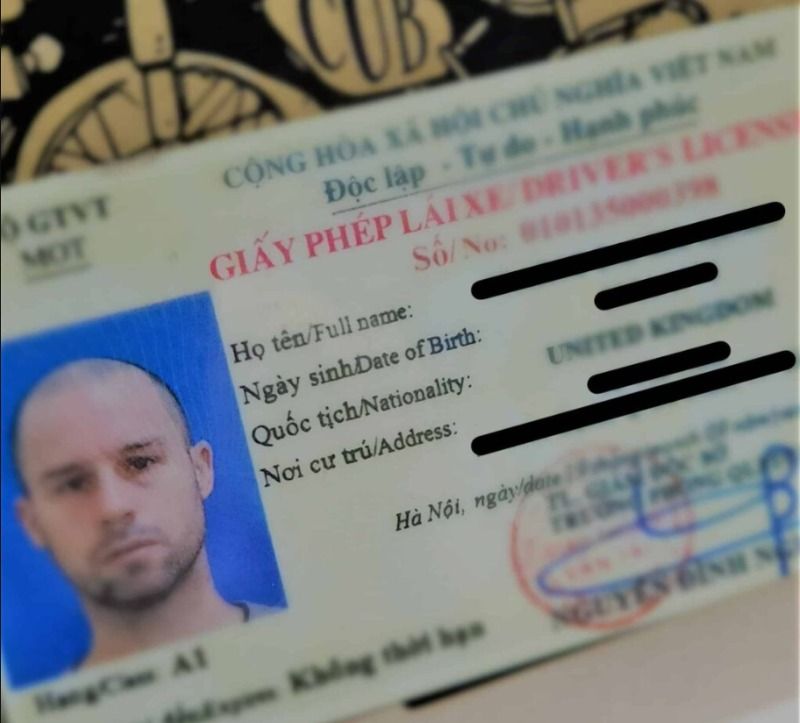
Motorbike Licences Are Recognised by Vietnamese Law
Vietnamese law recognises three licence types for foreign riders operating a motorbike:
- IDP (1968 Vienna Convention) + valid home country licence — accepted for short-term visits; both documents must be carried at all times
- Vietnamese Category A1 licence — required for motorbikes with an engine capacity between 50cc and 174cc
- Vietnamese Category A2 licence — required for motorbikes with an engine capacity of 175cc and above
One frequently overlooked rule: motorbikes at or below 50cc do not require a licence under current Vietnamese law. This covers scooters such as some Honda Dios and entry-level mopeds. However, riders of these vehicles are still required to comply with all other traffic regulations. This 50cc exemption does not extend to larger bikes under any circumstances.
What Is an IDP and Is It Valid for Riding a Motorbike in Vietnam?
An International Driving Permit (IDP) is a standardised multilingual document that translates your national driving licence into a format recognised by participating countries. In Vietnam, an IDP is valid for riding a motorbike only if it was issued under the 1968 Vienna Convention on Road Traffic — a distinction that disqualifies a significant number of foreign travellers.
Vietnam formally recognised 1968 Vienna Convention IDPs in 2015, following its accession to the convention. Since then, the IDP has become the most practical short-term solution for foreign tourists who want to ride legally without going through the full Vietnamese licence process.
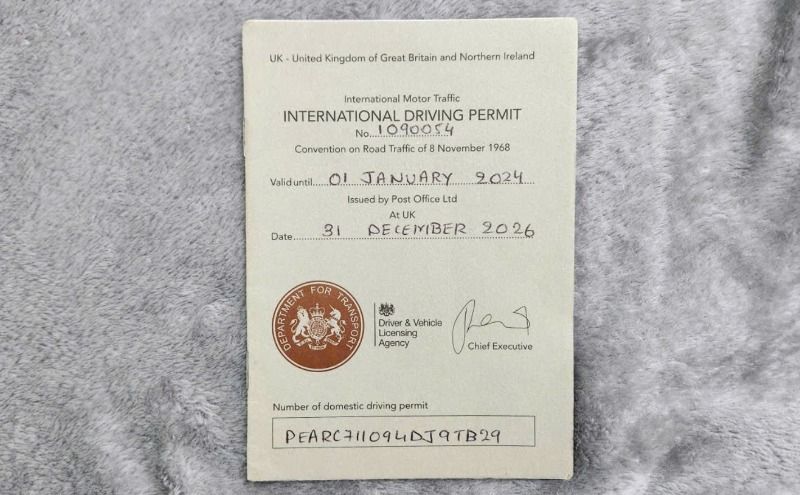
How to Get a 1968 IDP for Vietnam as a Foreign Rider
To obtain a valid 1968 Vienna Convention IDP, follow these steps based on your country:
- Check eligibility first. Confirm that your home country is a signatory to the 1968 Vienna Convention. Countries including the UK, Germany, France, Australia, and most of Europe issue 1968-format IDPs. The US, Canada, and Japan primarily issue 1949-format IDPs, which are not accepted in Vietnam.
- Apply through your national automobile association. In the UK, apply via the AA or RAC. In Australia, apply through the NRMA or your state automobile club. Processing typically takes 5–10 business days.
- Apply online if pressed for time. Providers such as e-ITA (e-ita.org/vietnam) issue 1968-compliant IDPs entirely online and can process applications within hours. Ensure the IDP explicitly bears the 1968 Convention stamp.
- Check your home licence includes motorbike endorsement. Your IDP is only valid for the vehicle categories covered by your underlying national licence. If your home licence covers cars only, your IDP will not be valid for motorbikes regardless of its convention format.
The Limitations of Riding in Vietnam with an IDP
An IDP is a practical short-term option, but it comes with important constraints:
- Time limitation: An IDP is most appropriate for tourist stays of fewer than three months. It does not grant indefinite riding rights, and its recognition is tied to your visa status.
- Visa dependency: If your visa expires or your status changes, the IDP’s validity in Vietnam may no longer apply. Always ensure your visa and IDP are both current when riding.
- No substitute for long-term residency: Foreign nationals who hold a Temporary Residency Card (TRC) and have been in Vietnam for three months or longer are strongly advised to convert their foreign licence or
- obtain a Vietnamese licence. Continuing to rely on an IDP in this situation exposes you to legal risk if stopped by authorities.
- Not applicable inside Vietnam for Vietnamese IDPs: An IDP issued by Vietnam for use abroad is not valid for riding within Vietnam itself — a common point of confusion.
The A1 and A2 Motorbike Licence Categories in Vietnam
Vietnam’s motorbike licence system is mainly divided into two categories: A1 for motorbikes from 50cc to 174cc, and A2 for motorbikes of 175cc and above. Choosing the correct category is important because your licence must match the engine size of the bike you ride. Riding with the wrong licence can create legal problems and may also affect insurance coverage if an accident happens.
For most foreigners travelling or living in Vietnam, the A1 licence is the most practical and commonly needed option. It covers the majority of motorbikes used by tourists and expats, including popular models such as the Honda Wave, Honda Future, Yamaha Exciter, Honda Air Blade, Honda PCX 125, and Yamaha N-Max 155. These bikes are widely available from rental shops and are suitable for city riding, countryside trips, and longer routes between provinces.
The A2 licence is required for larger motorbikes with engines of 175cc or above. This category is more relevant for experienced riders who plan to use bigger touring, adventure, or manual bikes, such as the Honda CB500X, Royal Enfield Himalayan, or similar long-distance motorcycles. Both A1 and A2 licences require riders to be at least 18 years old, but the practical tests may differ, with A1 usually involving a semi-automatic motorbike and A2 requiring a manual bike.
Before renting or buying a motorbike in Vietnam, always check the engine capacity and confirm which licence category is required.
How Can Foreigners Get a Motorbike Licence in Vietnam?
Foreigners can get a motorbike licence in Vietnam in three main ways: by using a valid 1968 International Driving Permit for short-term stays, converting an existing foreign motorbike licence, or applying for a new Vietnamese licence by taking the local test. The best option depends on your visa status, how long you plan to stay, and whether your current licence already includes a motorbike endorsement.
For many expats, converting a foreign licence is the fastest and most convenient route. To qualify, you must be at least 18 years old, hold a valid foreign motorbike licence, have lived, worked, or studied in Vietnam for at least three months, and hold a valid Temporary Residency Card or Permanent Residency Card. The process usually involves translating and notarising your foreign licence and passport, getting a Vietnamese medical certificate, and submitting your documents in person at the local Department of Transport. If approved, your Vietnamese licence is normally issued within five to ten working days.
If you do not already have a foreign motorbike licence, you can apply by taking the Vietnamese driving test. This includes a computer-based theory exam and a practical riding test. However, the theory exam is conducted only in Vietnamese, so many foreigners choose to apply through a driver training centre that offers support with translation and exam preparation. For short-term visitors, a valid 1968 IDP may be enough, but long-term residents should consider converting or applying for a Vietnamese licence.
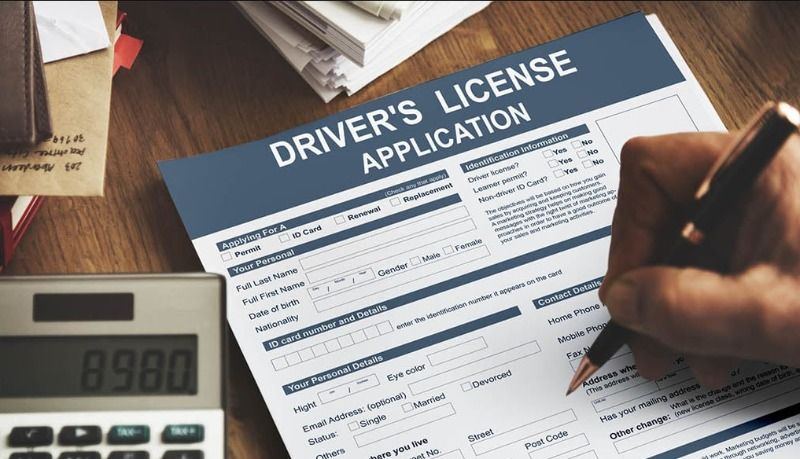
Documents Are Required to Get a Motorbike Licence in Vietnam
To get a motorbike licence in Vietnam, foreigners need to prepare a valid passport, visa or residency document, medical certificate, application form, passport-sized photos, and, in some cases, their original foreign driving licence with a certified Vietnamese translation. The exact documents depend on whether you are converting an existing foreign licence or applying for a new Vietnamese licence through the full test.
- Valid passport: Required for both licence conversion and new applications. Bring the original passport and photocopies for document checking.
Current visa, TRC, or PRC: Applicants must show legal status in Vietnam. For licence conversion, your visa or residency card should normally confirm at least three months of stay. A Temporary Residency Card is strongly recommended. - Original foreign driving licence: Required only if you are converting an existing licence. It must clearly show that you are permitted to ride a motorbike.
- Certified Vietnamese translation: If your foreign licence or supporting documents are not in Vietnamese, they must be translated and notarised by a certified notary office.
- Medical certificate: Required for both pathways. This must be issued by a recognised Vietnamese medical facility; foreign medical certificates are not accepted.
- Completed application form: This is available at the local Department of Transport office or through some driver training centres.
- Passport-sized photographs: Applicants usually need two to four photos, depending on the local office requirements.
This guide has walked you through everything you need to know about obtaining a motorbike licence in Vietnam as a foreign rider from understanding the difference between a 1968 IDP and a 1949 IDP, to navigating the A1 and A2 licence categories, converting your foreign licence, and protecting yourself legally and financially on Vietnamese roads. Hope the information Viet Motorbike Tour has shared gives you the confidence to ride safely and legally across this incredible country in 2026.
If you are planning a motorbike adventure and need to rent a motorbike in Ha Giang, do not hesitate to contact us for personalised support. At Viet Motorbike Tour, we offer a wide selection of high-quality rental bikes at competitive prices