
 Home
Home About
About Tours
Tours Bikes Rental
 Contact
The Ha Giang Loop packing list is a specialized checklist for a 3–4 day motorbike journey through the remote mountains of northern Vietnam, covering layered clothing, motorbike protective gear, personal essentials, documents, cash, and a first aid kit. Below, Viet Motorbike Tour will walk you through every item category on the packing list — from absolute must-haves to things you should confidently leave behind to keep your load manageable on the bike.
Whether you are riding the Ha Giang Loop for the first time or returning for a better-prepared second visit, pairing this packing list with our Essential Ha Giang Loop Tips will give you the most complete preparation — covering not just what to bring, but how to ride, where to stop, and what to expect on the road.
What Clothing Should You Bring for the Ha Giang Loop?
Early morning departures can feel bitterly cold, especially at high-altitude passes — but by midday, as you descend into a valley, temperatures may climb to 25–28°C. Riders need to be able to add or remove a layer without a long stop, so each piece must be compact enough to fit into a daypack easily. Preferred materials are quick-dry fabrics. Heavy denim and cotton should be avoided entirely — both retain moisture when wet, cause prolonged discomfort, and carry a real risk of hypothermia in cold, wet mountain conditions.
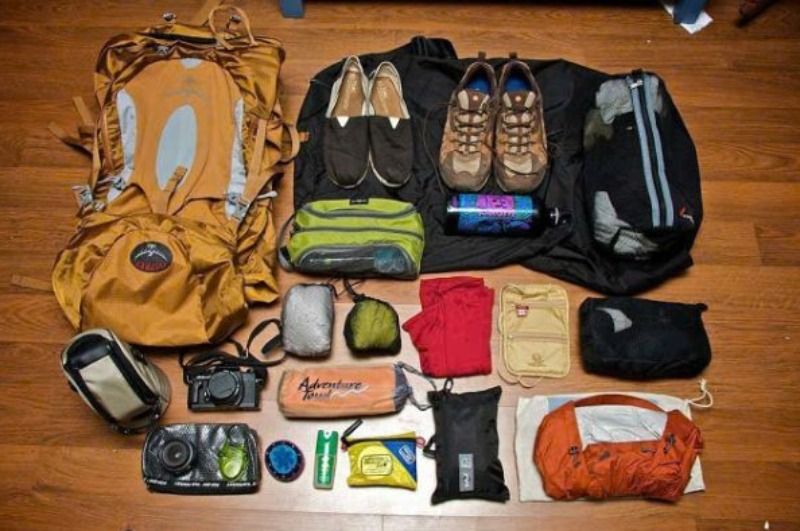
Summer Clothing for the Ha Giang Loop
Summer months (April through October) in Ha Giang still catch many riders off guard if they prepare only for warm weather. Here is the recommended clothing list for summer:
- Long-sleeve UPF or sun-protection shirt: Shields your skin from intense UV radiation at altitudes above 1,500m. Avoid short-sleeve t-shirts — after 3–4 hours riding under direct sun, your forearms and neck will burn severely.
- Lightweight long pants in nylon or polyester: Protect your legs from wind and sun, and dry quickly when caught in rain. Avoid shorts while riding — they offer no protection if anything goes wrong.
- Thin windbreaker or lightweight wind jacket: Non-negotiable even in summer. Early mornings on the high passes and as the sun sets, cold mountain wind arrives abruptly. Many riders in July and August still need a wind layer in the mornings.
- 1–2 base layer t-shirts: Worn under the jacket in the morning, removed when the midday heat arrives.
- Cap or buff/neck gaiter: Worn under the helmet to protect your forehead and neck from sun and wind.
Winter Clothing for the Ha Giang Loop
Winter (November through March) in Ha Giang is the most serious weather challenge on the entire route. Temperatures in Dong Van and Meo Vac can drop to 0–5°C at night and in the early morning, with occasional light snow on the Lung Cu summit during December and January. The clothing list for winter requires these additions:
- Thermal base layer: The most fundamental piece, worn directly against the skin. Choose merino wool or polyester thermal material — both retain warmth even when damp, unlike cotton.
- Fleece or mid-layer insulation: Worn over the thermal base and under the outer shell. Fleece is lightweight, insulates well, and compresses easily.
- Windproof and waterproof outer jacket: The final layer. Prioritize one with a warm lining or consider a down jacket if traveling in December or January.
- Thermal leggings: Worn under your outer pants. Essential when sitting on a motorbike in cold wind for hours at a stretch.
- Insulated gloves: Your hands face direct wind exposure while riding and lose warmth the fastest. Choose gloves with a warm lining and windproof outer material.
- Wool beanie or balaclava: Worn inside the helmet. A balaclava that covers the face and neck is especially effective when temperatures drop below 5°C.
- Scarf or thick buff: Seals the gap between your helmet and collar, blocking wind from reaching your neck — a common source of discomfort and heat loss on long cold rides.
Motorbike Protective Gear for the Ha Giang Loop
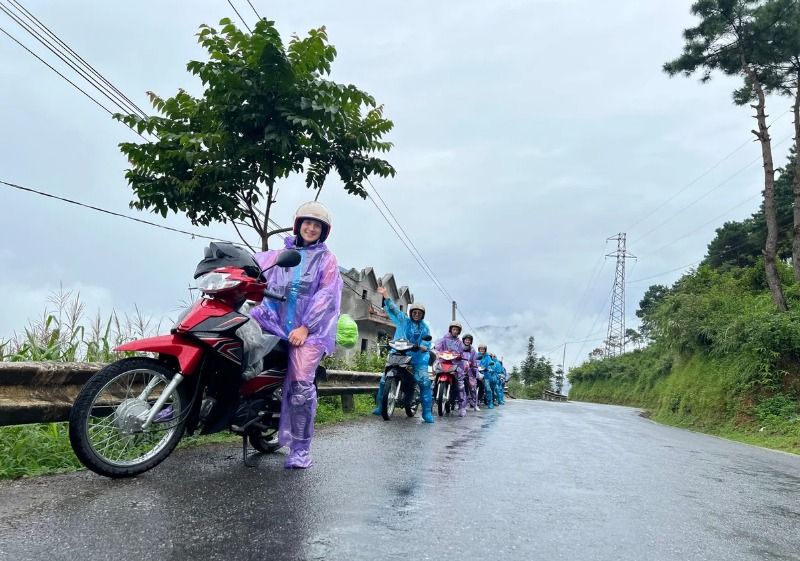
Motorbike protective gear is a mandatory equipment category for the Ha Giang Loop for at least three reasons: steep mountain roads with narrow sections and loose rock surfaces, unstable weather that reduces visibility and makes roads slippery, and the long distance to the nearest medical facility when something goes wrong. Most reputable Ha Giang motorbike rental shops include a helmet as standard — but additional protective gear such as knee pads, riding gloves, and a proper jacket remains the rider’s own responsibility to source before departure
This is not theoretical precaution — it is the reality of the terrain. Ma Pi Leng, Cong Troi, and Deo Gio are breathtaking passes, but they demand serious vehicle control and proper protective equipment from every rider on the route.
Footwear Works Best for the Ha Giang Loop
Hiking shoes with strong grip outsoles win on safety and versatility for the Ha Giang Loop, while flip-flops are only suitable for evenings at the homestay and should never be worn while riding. Here is the breakdown:
Hiking shoes or ankle boots:
- Rubber soles with deep tread grip wet rock, dirt roads, and gravel when you stop and walk to explore
- Ankle support protects you when setting your foot down on angled mountain road surfaces
- Handles moisture and trail dust — two constants throughout the entire loop
Flip-flops or lightweight sandals:
- Use only at the homestay in the evening, in the bathroom, or for very short walks around the yard
- Never wear while riding — dangerous and offers zero foot protection
Avoid entirely:
- Thin canvas shoes or white fashion sneakers — they soak through immediately, have no grip, and cannot be cleaned after a day on the dirt roads
- High heels or any footwear without a proper grip sole
Personal Items and Electronics for the Ha Giang Loop
Here is the full breakdown
Skincare and hygiene essentials:
- Sunscreen SPF 50+ — non-negotiable. UV radiation is intense above 1,500m and catches many riders off guard.
Insect repellent spray or cream - Basic personal hygiene items: toothbrush, toothpaste, small shampoo, soap — homestays do not always supply these adequately
- Quick-dry microfiber towel — lightweight, compact, and dries fast after use
Gear for capturing the journey:
- Smartphone with a good camera: sufficient for the vast majority of riders. Prioritize a phone with strong battery life or bring a backup battery case.
- Action camera (GoPro or equivalent): ideal for filming while riding, mounted on your helmet or handlebars. The Ha Giang Loop is cinematic from a first-person riding perspective.
- DSLR or mirrorless camera: only bring this if you are serious about photography and willing to accept the extra weight. Bring one versatile lens only in the 24–70mm range — not multiple lenses.
- Drone: capable of stunning footage over Ma Pi Leng Pass and the Nho Que River valley. Check local regulations for drone flight in border areas and always use a padded protective case.
Backup power:
- Power bank with at least 20,000mAh capacity: essential. Continuous video recording and GPS navigation drain battery fast. Homestays have power outlets but often not enough sockets for an entire group to charge simultaneously.
- One spare charging cable as a backup
- Multi-port travel adapter if needed
Communication:
- Viettel SIM card: this is the only carrier with reliable signal in the Ha Giang mountains. Other carriers — Vinaphone, Mobifone, and international eSIMs — lose signal almost entirely across large stretches of the route. Buy a Viettel SIM in Hanoi or Ha Giang City before you leave.
- Offline maps downloaded in advance via Maps.me or Google Maps offline mode — do not rely on live data connection in signal dead zones
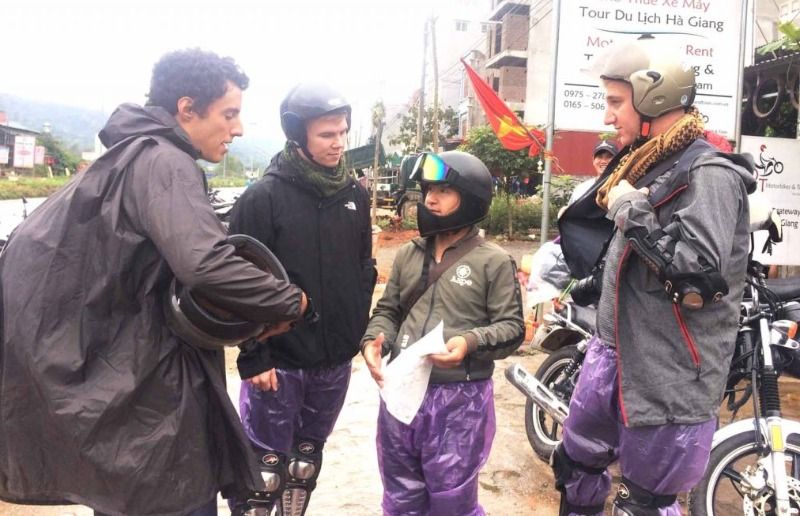
Documents and Cash Preparation for the Ha Giang Loop
Passport or national ID:
- Foreign travelers: bring your original passport. Some homestays and checkpoint areas require you to present it in person. Scan or photograph a backup copy stored in your phone and cloud storage.
- Vietnamese travelers: your national ID card (CCCD) is sufficient. Bring the original document, not just a photo of it.
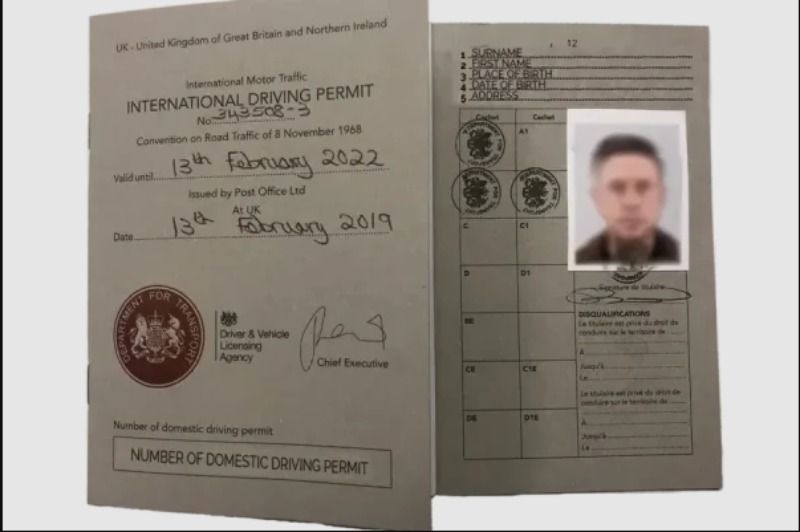
Driving license and International Driving Permit (IDP):
- Self-riders: a valid driving license appropriate for the class of motorbike you are renting is mandatory. There are regular police checkpoints along the Ha Giang Loop, especially near border areas.
- Foreign self-riders: an IDP paired with your home country license is required. Some rental companies will ask for confirmation of this before handing over the bike.
- Easy Rider passengers: the guide handles all riding and vehicle paperwork — you do not need a driving license.
Cash:
- ATMs along the loop are virtually nonexistent, and the few that exist are unreliable. Withdraw sufficient cash in Ha Giang City before departure — it is the last point on your route with functioning bank branches and ATMs. If you have not yet sorted accommodation, booking a Ha Giang loop hostel in advance also allows you to confirm cash and payment policies before you leave the city, avoiding surprises at remote homestays mid-route
- Budget estimate: 300,000–500,000 VND per day for meals, entry fees, and small incidentals, not counting pre-booked tour and accommodation costs for a full breakdown of where to eat well without overspending, our guide to Restaurants in Ha Giang covers the best local options along the route before you set off.
- Split your cash across multiple locations jacket pocket, wallet, inside your bag — to avoid losing everything at once.
Travel insurance:
- This is not optional — it is necessary equipment. Ha Giang is a remote region with dangerous terrain, and the nearest hospital with serious medical capacity may be an hour or more away by road. Emergency treatment and patient evacuation costs can be very significant.
- Choose a policy that explicitly covers motorbike and motorcycle activities. Many standard travel insurance policies exclude this clause — read the fine print carefully before purchasing.
What to Leave Behind for the Ha Giang Loop
Wheeled suitcases: leave them behind entirely. There is no safe way to secure a rolling suitcase to a motorbike. The correct solution is to store large luggage at your hostel in Hanoi — many offer free or very inexpensive luggage storage — or at your guesthouse in Ha Giang City before starting the loop. You only need one 20–30 litre daypack or a small soft travel bag on the ride itself.
Excess clothing: The general rule is 3–4 outfits for 4 days. Homestays along the loop offer laundry service or at minimum a basin for handwashing. There is no need to bring 7–8 complete sets. Specifically avoid:
- Heavy denim jeans — heavy, slow to dry, inflexible, and deeply uncomfortable after hours in a riding position
- Heavy cotton shirts — absorb sweat, retain moisture, and take very long to dry
- Fashion sneakers, heeled footwear, or anything without a proper grip sole
Non-essential electronics:
- Laptop: only bring one if you genuinely need to work. WiFi on the loop is weak and inconsistent. If you bring it, accept the considerable extra weight.
- Tablet: largely redundant when you already have a smartphone
- Multiple different charging cables: consolidate into 1–2 universal multi-device cables
The simplest rule for deciding what to cut: Before placing anything in your bag, ask yourself — “Will I actually use this in the next 4 days?” If the answer is uncertain, leave it behind. Anything you do not use is purely dead weight on your back and on the rear wheel of your bike.
What Should Female Travelers Pay Extra Attention to in Their Packing List?
There are several items and considerations specific to female travelers on the Ha Giang Loop that standard packing lists consistently overlook, relating to personal hygiene products, appropriate clothing for village visits, and protecting moisture-sensitive items throughout the journey.
Specifically:
- Feminine hygiene products: Sanitary pads, tampons, or a menstrual cup should be brought in sufficient quantity for the entire trip — they are not reliably available on the loop. Small towns like Yen Minh and Dong Van have only basic general stores with very limited inventory.
- Modest clothing for ethnic minority village visits: The Ha Giang Loop passes through villages of the H’Mong, Lo Lo, Giay, and other ethnic communities. Bring a long-sleeve layer or a scarf to cover your shoulders when entering homes or areas where local customs and traditions are observed.
- Separate dry bag for sensitive items: Underwear and personal hygiene products should be stored in a sealed zip-lock bag or a small dry bag inside your main pack preventing water damage when rain soaks through unexpectedly mid-ride. Female travelers joining a guided tour through Vietmotorbiketour can also contact the team directly for a tailored packing consultation, as route-specific advice varies depending on the season and planned stops
- Multi-purpose microfiber cloth: Functions as a face cloth, body towel, sun cover, and emergency warm wrap — one item that earns its place in your pack many times over.