 Home
Home About
About Tours
Tours Bikes Rental
 Contact
Happy water on the Ha Giang Loop is not something you will find on any menu or store shelf. It is the name travelers have given to rượu ngô traditional corn wine handcrafted by H’Mông, Dao, and Tày families in the highlands of northern Vietnam. One small cup of this potent, smoky spirit passed across a homestay dinner table can turn a table of strangers into friends before the night is over.
At Viet Motorbike Tour, we believe the Ha Giang Loop is never just about the road. It is about the people you meet along it and happy water on the Ha Giang Loop is often where those connections begin. In this guide, we cover everything you need to know: what it is, how it is made, how to drink it with respect, and how to stay safe doing it.
What Is Happy Water on the Ha Giang Loop?
Happy Water is the informal name travelers use for traditional corn wine a handcrafted distilled spirit produced by H’Mông, Dao, and Tày ethnic minority families in the highlands of Hà Giang, passed down through generations without commercial standardization.
To be precise, “Happy Water” does not appear on any label, follows no certified recipe, and belongs to no single brand. The name emerged organically within the international backpacker community as travelers tried to describe to each other what they had experienced the night before and found that ordinary words fell short. The local people do not call it Happy Water. They call it rượu ngô (corn alcohol) or simply rượu, the Vietnamese word for liquor. The nickname “Happy Water” carries two layers of meaning: the light-headed cheerfulness that follows a few small cups, and something deeper — the act of offering rượu ngô to a guest is how highland people share joy and extend warmth to someone they have just met.
What Is Happy Water Made From?
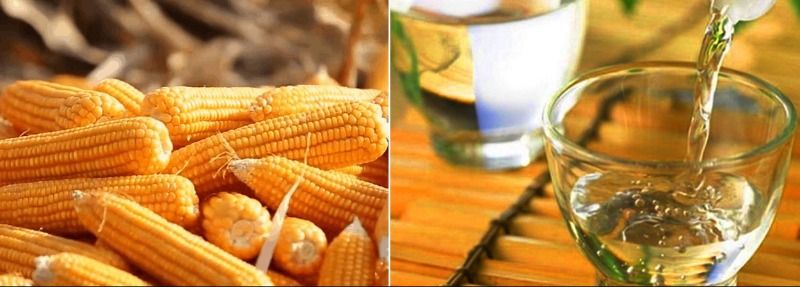
Happy Water is made from three core ingredients: highland landrace corn (or glutinous rice in some areas), wild herb fermentation starter (men lá), and pure mountain spring water a combination that produces a flavor profile impossible to find anywhere outside of Hà Giang.
The single most important differentiator from industrial spirits is the men lá a fermentation starter made from a blend of wild forest herbs and plants, with each family guarding its own recipe. This is what creates the distinctive herbal undertone, the clean warmth, and the lingering finish that separates a good batch of Happy Water from ordinary strong liquor. The corn used is a tough, low-sugar highland variety nothing like the sweet corn found in the lowlands which, when distilled, yields a deep roasted aroma and a long-lasting flavor.
The traditional production process is entirely handmade within the family compound:
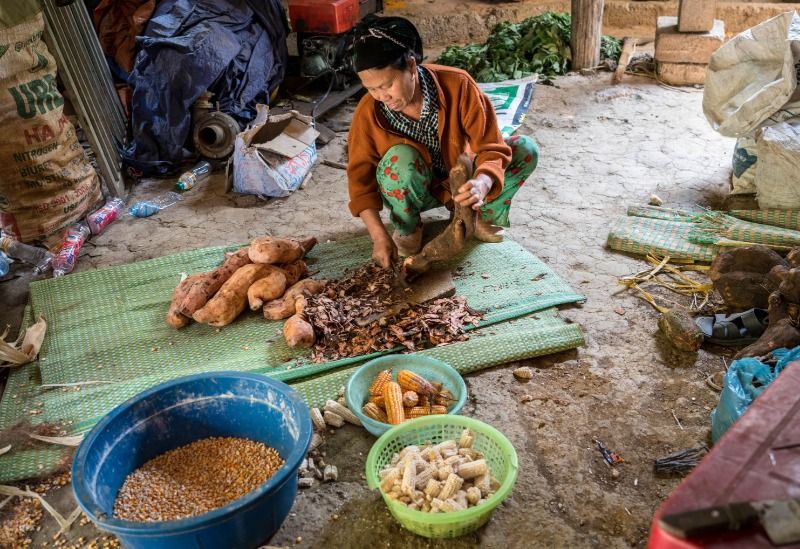
- Drying and milling: After harvest, corn is sun-dried until fully desiccated, then coarsely ground — not into fine flour, but into rough pieces that ferment more evenly.
- Cooking and mixing: The ground corn is cooked until soft, left to cool slightly, then mixed thoroughly with the crushed men lá starter.
- Underground fermentation: The mixture is packed into ceramic jars or wooden containers, sealed, and buried underground for 7 to 10 days — the stable earth temperature creates slow, even fermentation that develops greater flavor complexity.
- Wood-fire distillation: After fermentation, the mixture is distilled over a wood-burning stove using a copper pot and bamboo or copper tubing to channel the steam — the liquid drips out slowly, collected into bottles or ceramic jugs.
What Does Happy Water Taste Like, and How Strong Is It?
Happy Water spans a wide flavor spectrum: at its best, it delivers roasted corn sweetness on the nose, a clean herbal mid-palate, and a long warm finish; at its worst, sharp acetone heat and chemical harshness overwhelm everything else.
Alcohol content ranges from 30% to 50% ABV comparable to whisky or vodka, and sometimes stronger. There is no way to know the exact strength of any given batch without testing equipment, because every household produces differently
The Cultural Meaning of Happy Water for the People of Hà Giang
Happy Water is the cultural handshake of the highland people of Hà Giang — when a host extends a small cup of rượu ngô toward a guest, the gesture means far more than “would you like a drink.” It means: “I trust you. Tonight, you belong here.”
To understand this properly, you need to place Happy Water within the full cultural ecosystem of the H’Mông, Dao, and Tày communities people who have lived on the Đồng Văn Karst Plateau for hundreds of years. For them, corn wine is not something consumed alone. It is the language of trust and belonging. Nobody pours rượu ngô for someone they do not want to welcome. Nobody refuses it from a sincere host without explanation — because to do so without grace is to reject the hospitality itself, not just the drink.
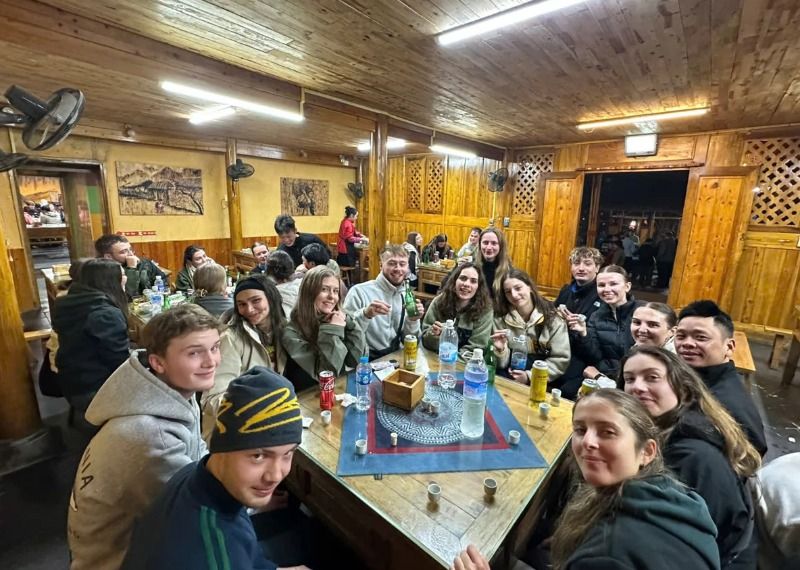
When a traveler sits down at a homestay dinner table and the host fills a small earthenware cup and places it in front of them, that is not a routine action. It is a ritual of welcome practiced across generations as meaningful in its own context as a handshake in the West or the tea ceremony in Japan. A moment to pause, to look at one another, and to acknowledge each other’s presence.
In What Occasions Does Happy Water Appear in Local Life?
Happy Water is the cultural handshake of the highland people of Hà Giang — when a host extends a small cup of rượu ngô toward a guest, the gesture means far more than “would you like a drink.” It means: “I trust you. Tonight, you belong here.”
To understand this properly, you need to place Happy Water within the full cultural ecosystem of the H’Mông, Dao, and Tày communities — people who have lived on the Đồng Văn Karst Plateau for hundreds of years. For them, corn wine is not something consumed alone. It is the language of trust and belonging. Nobody pours rượu ngô for someone they do not want to welcome. Nobody refuses it from a sincere host without explanation — because to do so without grace is to reject the hospitality itself, not just the drink.
When a traveler sits down at a homestay dinner table and the host fills a small earthenware cup and places it in front of them, that is not a routine action. It is a ritual of welcome practiced across generations — as meaningful in its own context as a handshake in the West or the tea ceremony in Japan. A moment to pause, to look at one another, and to acknowledge each other’s presence.
Where on the Ha Giang Loop Can You Experience Happy Water at Its Best?
There are four standout locations for experiencing Happy Water on the Ha Giang Loop, each offering a different depth of encounter:
- Đồng Văn homestays are the most accessible starting point. Places like Dong Van Panorama Homestay and Bui Homestay regularly organize evenings that include a shared family dinner, rượu ngô, karaoke, and storytelling by H’Mông hosts. The atmosphere is warm, social, and pressure-free — an ideal environment for first-time Happy Water drinkers who want to participate without feeling overwhelmed.
- Mèo Vạc homestays offer something more intimate and unfiltered. At guesthouses like CND Homestay, travelers often sit in a circle around an open fire in the middle of a stilt house, sipping corn wine alongside smoked buffalo meat and foraged mountain vegetables. Many experienced Loop riders describe Mèo Vạc evenings as the most genuinely local Happy Water experience on the entire route — less performance, more real life.
- Đồng Văn and Mèo Vạc weekly markets (typically held on weekends) are where you can buy Happy Water directly from the families who produce it, taste different batches side by side, and choose a ceramic bottle or jug to bring home as a gift. No ceremony here — just a smile, a small cup, and a conversation conducted entirely through gestures and laughter.
- Lũng Cẩm cultural village — a traditional H’Mông settlement near Đồng Văn — is where Happy Water exists in its most unmediated form, embedded in the rhythms of daily life rather than shaped by tourism. If you want to understand corn wine not as a “cool thing to try” but as a living thread in the fabric of a community’s history, Lũng Cẩm is the place that will give you that perspective.
This guide has walked you through everything there is to know about happy water on the Ha Giang Loop. We hope it gives you the confidence to raise your cup, say “Zô!”, and connect with the communities that make Hà Giang unforgettable.When you are ready to experience it for yourself, Viet Motorbike Tour is here to make it happen. We offer quality-guided Loop tours and self-ride motorbike rentals in Hà Giang at honest prices so the only thing you need to focus on is the road ahead.