
 Home
Home About
About Tours
Tours Bikes Rental
 Contact
The Ha Giang Loop is not just a road it is 350 kilometers of raw northern Vietnam that will test your nerve, reward your preparation, and leave you with memories that outlast every photograph you take. For first-time riders, the question is never whether to do it, but how to do it right. Every year, unprepared travelers turn what should be a highlight of their Vietnam journey into a stressful, costly, or even dangerous ordeal — simply because they underestimated what this mountain circuit demands. This guide exists to close that gap. From choosing the right motorbike and understanding licensing rules, to packing smart, budgeting accurately, and riding the most dangerous passes with confidence everything a first-time rider needs to conquer the Ha Giang Loop safely and unforgettably starts here.
The Most Dangerous Sections of the Ha Giang Loop
- Ma Pi Leng Pass (Dong Van → Meo Vac)
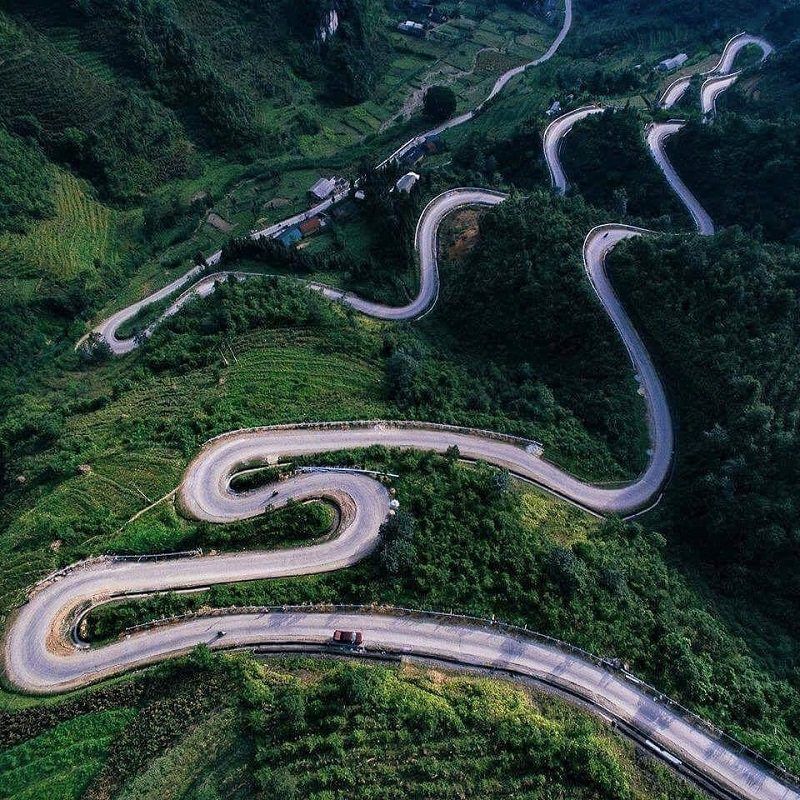
Often considered the most breathtaking yet hazardous segment, this 20 km ridge ride sits at over 1,400 meters above sea level. The road is narrow with minimal guardrails, and the steep drop to the Nho Que River below leaves little margin for error. Sharp blind corners combined with frequent truck traffic demand constant vigilance. While the panoramic views are unforgettable, riders must resist the urge to look away from the road. - Heaven’s Gate Pass (Quan Ba / Cong Troi)
Located about 45 km from Ha Giang City, this pass is typically encountered early in the journey. Morning fog can reduce visibility to under 20 meters, making navigation challenging for inexperienced riders. The climb features tight switchbacks that require smooth throttle control and confident braking. It’s a demanding introduction to the loop and sets the tone for the terrain ahead. - Tham Ma Pass (Yen Minh → Dong Van)
Known for its long zigzag descent, Tham Ma Pass becomes particularly dangerous in wet conditions. Rain can quickly make the road surface slick, increasing the risk of skidding. The steep gradient means overusing brakes can cause loss of traction, especially for first-time riders unfamiliar with engine braking techniques.
Key Safety Practices
Reduce speed below 30 km/h on sharp corners. Avoid overtaking on blind bends or near summits. Always stop at designated viewpoints rather than in the road. If fog limits visibility below 30 meters, pause your ride. Use low gears when descending to maintain control and reduce brake strain.
The Best Time to Conquer the Ha Giang Loop
- The Best Time to Conquer the Ha Giang Loop
Autumn (Late September → Early November) – Ideal for First-Time Riders
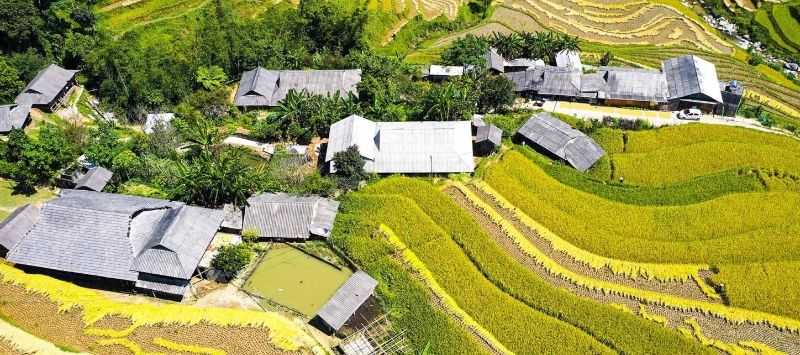
This is widely considered the best window to ride the Ha Giang Loop. Expect dry roads, clear skies, and comfortable temperatures ranging from 18°C to 26°C. The highlight is the golden rice harvest, which transforms the terraced hills into some of the most striking landscapes in Vietnam. Conditions are both visually rewarding and technically forgiving. However, this is peak season, so book accommodation in Dong Van and Meo Vac at least two weeks in advance. - Spring (March → May): Scenic and Less Crowded
Spring offers another excellent riding period with generally dry conditions and warmer weather. The standout feature is the buckwheat flower bloom, covering the plateau in soft pink and white tones. Traffic is lighter compared to autumn, making it easier for first-time riders to navigate the loop at their own pace and secure last-minute accommodation. - Winter (December → February): For Cold-Ready Riders
Winter brings a quieter, more atmospheric experience. Temperatures can drop to around 5°C in higher elevations, and dense morning fog is common. While the scenery becomes moody and dramatic, visibility challenges mean riders may need to delay starts until conditions improve. Proper cold-weather gear is essential. - Rainy Season (June → August): Not Recommended for Beginners
Heavy rainfall significantly increases risk. Roads become slippery, landslides are more frequent, and certain sections may be temporarily closed. While experienced riders may appreciate the lush green scenery, first-timers should avoid this period due to unpredictable and hazardous conditions.
How Should First-Time Riders Choose Their Transportation on the Ha Giang Loop?
- Self-Riding: Maximum Freedom, Maximum Responsibility
Self-riding is the most flexible and budget-friendly option. You control your pace, choose your stops, and can fully immerse yourself in the landscape without constraints. Daily costs are relatively low, typically covering motorbike rental and fuel. However, this option requires confidence and experience. You are responsible for navigation, bike maintenance, accommodation planning, and handling any unexpected issues. It is best suited for riders with prior motorbike experience and a valid International Driving Permit (IDP). - Easy Rider: Best for Safety and Cultural Depth
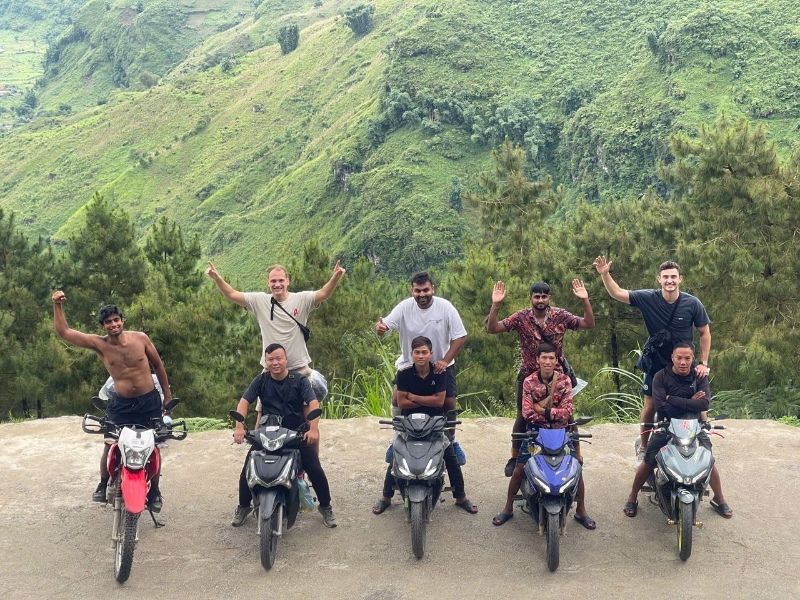
Choosing an Easy Rider means traveling as a passenger behind an experienced local driver. While you give up control over the route and speed, you gain expert handling of challenging roads and valuable local insight. Drivers often act as informal guides, introducing you to ethnic communities, local cuisine, and hidden spots along the loop. This option strikes a strong balance between safety and authenticity, making it ideal for first-time visitors who prioritize comfort and cultural experience. - Guided Group Tours: Ideal for Solo Travelers
Group tours provide a structured, all-inclusive experience. Operators such as Jasmine Tours and Ha Giang Motorbike Tours handle logistics including routes, accommodation, meals, and safety coordination. Costs are higher but come with strong support systems. For solo travelers, this option offers instant companionship, reduced planning stress, and the highest level of safety through professional organization.
Choosing the Right Option : Your decision should depend on your riding experience, budget, and desired level of independence. First-time riders without strong motorbike skills will generally have a safer and more enriching experience with an Easy Rider or guided tour.
Type of Motorbike Is Best for the Ha Giang Loop
- Choose Semi-Automatic or Manual Bikes (110–150cc)
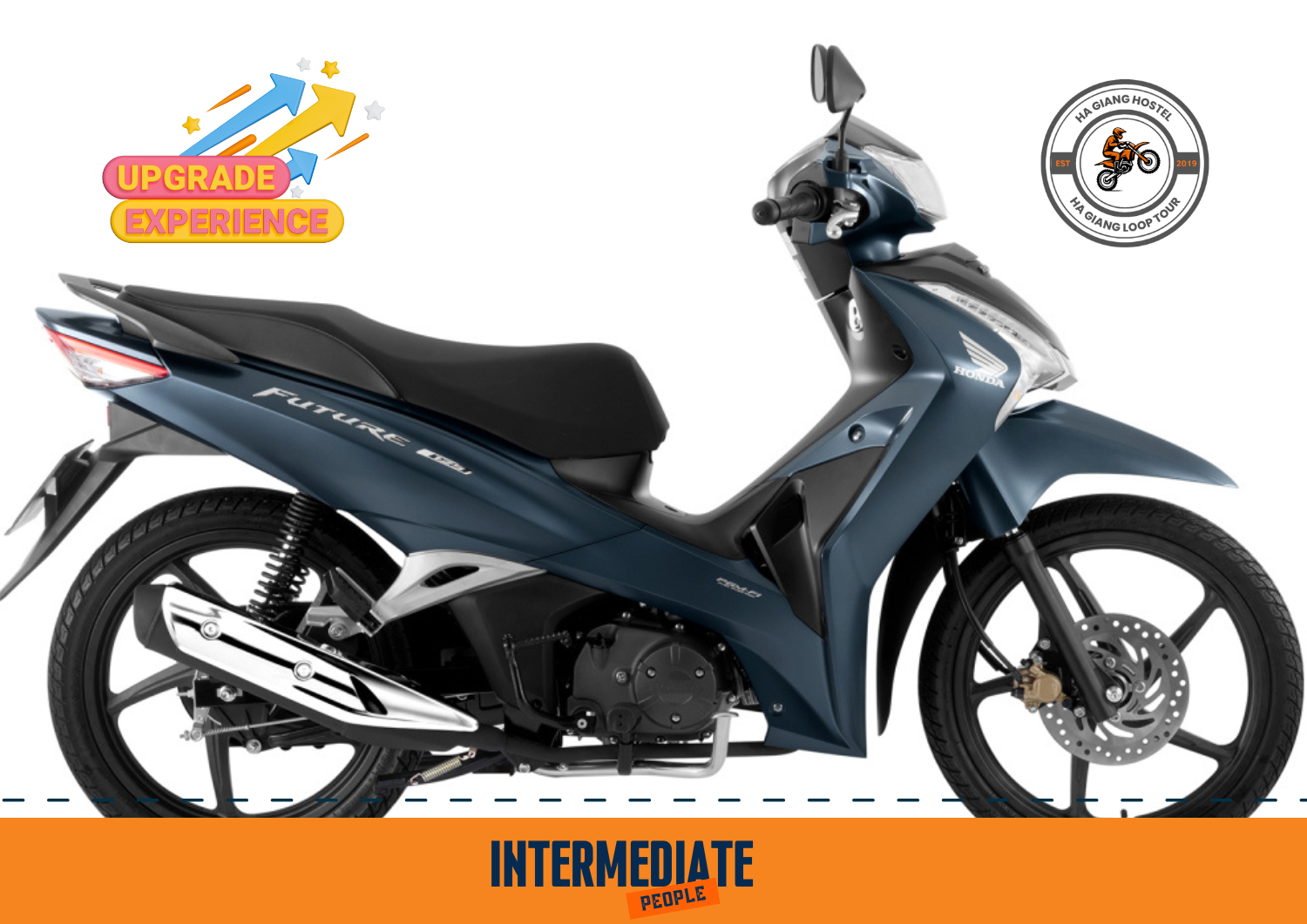
For first-time riders, semi-automatic or manual motorcycles offer the best balance of control and reliability. Models like the Honda XR150L and Honda Win are well-suited to Ha Giang’s steep climbs, rough patches, and long descents. They allow effective engine braking, which is critical for maintaining safe speed without overusing the brakes. - Avoid Automatic Scooters
Automatic bikes lack proper engine braking, making them risky on extended downhill sections. Brake overheating and loss of control are real concerns, especially for inexperienced riders. If you are not comfortable with gears, consider riding as a passenger instead.
Model Considerations: The Honda XR150L provides better suspension, traction, and overall stability on uneven terrain. The Honda Win, while more basic, is easy to repair and widely supported by local mechanics. Always inspect your bike carefully before starting the loop.
Read more: Motorbike rental price list in Ha Giang Loop
The Essential Items Every First-Time Rider Must Pack
Core layering system:
- Base layer: Moisture-wicking thermal top and leggings (merino wool or synthetic, avoid cotton, which stays wet and cold)
- Mid layer: Lightweight fleece or down jacket that compresses small
- Outer layer: Waterproof, windproof riding jacket with elbow and shoulder padding, this is both a weather layer and safety gear
Riding-specific gear (non-negotiable):
- Full-face helmet, open-face helmets offer no chin protection in a fall
- Riding gloves with knuckle protection, warm, waterproof gloves are essential in winter and at altitude
- Riding pants or reinforced trousers, denim provides almost no abrasion resistance
- Ankle-covering boots or hiking shoes with good grip, flip-flops are appropriate only for homestay evenings
Additional clothing items:
- 2–3 quick-dry t-shirts
- 2 pairs of quick-dry trousers or hiking pants (one for riding, one for evenings)
- Warm hat that fits under a helmet (beanie style)
- Neck gaiter or balaclava for cold passes
- Rain poncho with sleeves, standard ponchos blow back at speed and provide poor protection
- Swimwear, several points along the route offer swimming opportunities in river lagoons

How Much Does It Cost to Do the Ha Giang Loop as a First-Time Rider?
A first-time rider can complete the Ha Giang Loop for between $40–$80 USD per day depending on transportation choice, accommodation standard, and personal spending, with total trip costs ranging from approximately $120 for a budget self-rider to $350+ for a comfortable guided tour package.
The following table outlines estimated daily costs across the three transportation modes for planning purposes:
| Cost Category | Self-Riding (Budget) | Easy Rider | Guided Tour |
|---|---|---|---|
| Motorbike rental | $8–$15/day | Included | Included |
| Fuel | $3–$5/day | Included | Included |
| Homestay | $8–$15/night | $10–$18/night | Included |
| Meals (3x/day) | $8–$12/day | $8–$12/day | Included |
| Driver tip (end) | N/A | $10–$20 total | $10–$20 total |
| Entrance fees | $2–$5/day | $2–$5/day | Often included |
| Daily total | $27–$47 | $55–$85 | $80–$150 (package) |