
 Home
Home About
About Tours
Tours Bikes Rental
 Contact
Ha Giang is home to 20 iconic check-in destinations that every traveler must experience at least once, from the world-famous Ma Pi Leng Pass and Tu San Canyon to the mystical Dong Van Ancient Town, the legendary Lung Cu Flag Tower, and the breathtaking Quan Ba Twin Mountains.
To help you plan your journey with confidence, this guide walks through all 20 check-in locations in detail, organized by geographic zone, enriched with seasonal timing advice, and paired with practical tips drawn from real traveler experience.
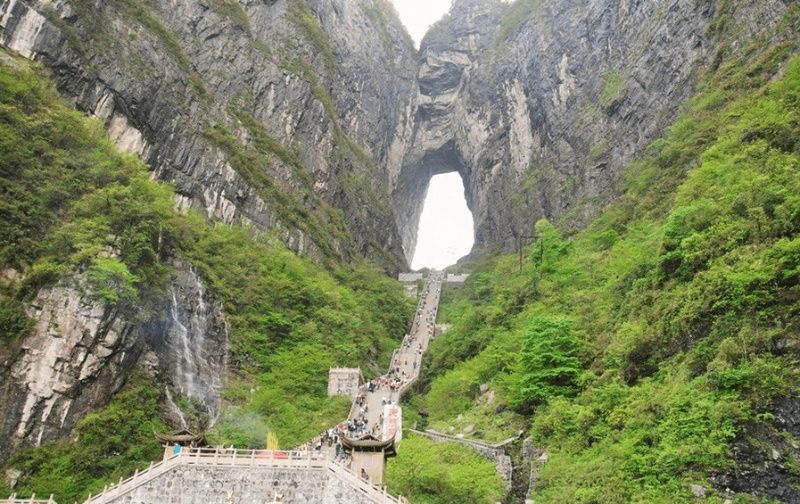
1. Quan Ba Heaven’s Gate (Cong Troi Quan Ba)
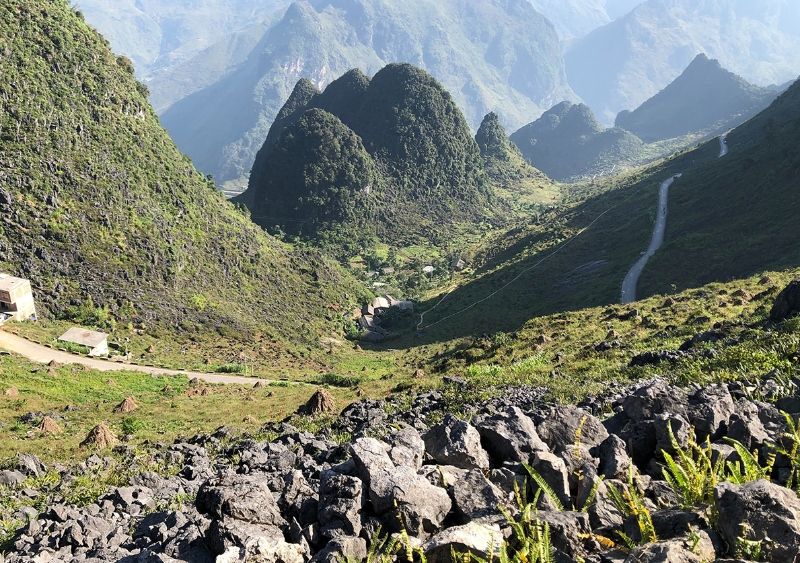
Sitting at over 1,500 meters above sea level, Quan Ba Heaven’s Gate marks the official threshold between the Ha Giang lowlands and the Dong Van Plateau. From the viewpoint, travelers look directly down at the Quan Ba Twin Mountains rising from the patchwork valley below, a view that has become one of the most photographed images associated with Ha Giang. The cool mountain air and the swirling mist that regularly drifts through the pass in the morning hours add an almost otherworldly quality to the experience.
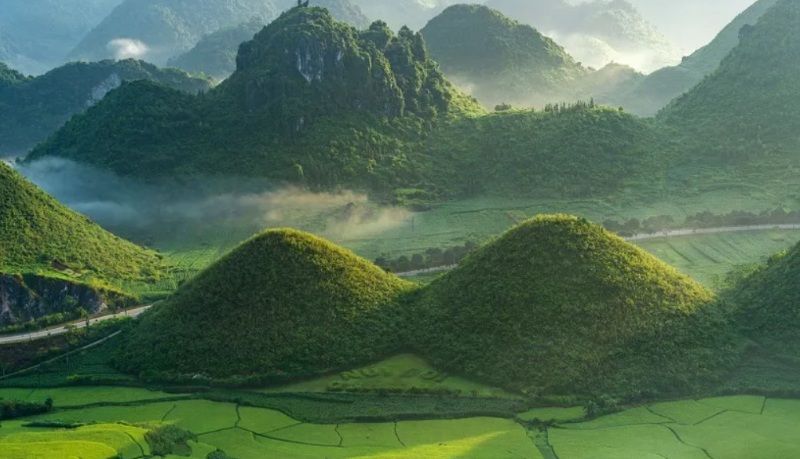
2. Quan Ba Twin Mountains (Nui Doi Co Tien)
The two rounded peaks of Co Tien Mountain, literally translated as “Fairy Mountains” rise symmetrically from the Tam Son Valley floor in Quan Ba District. Local H’Mong legend ties the formation to a fairy whose body transformed into the mountains after her death, and the story is deeply embedded in the cultural identity of the area. Visually, the twin peaks change color with each season: lush green in summer, golden amber during the rice harvest in autumn, pale brown in winter, and flushed pink during the spring planting season.
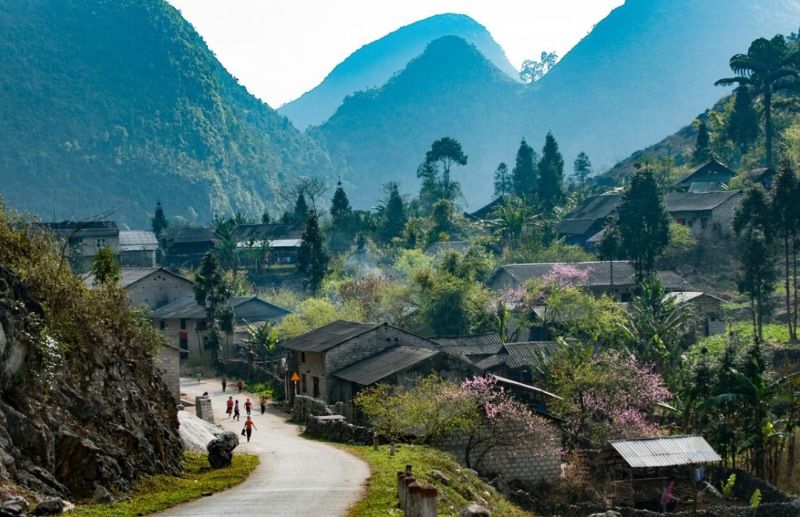
3. Yen Minh Pine Forest (Rung Thong Yen Minh)
Often compared to a miniature version of Da Lat, the Yen Minh Pine Forest stretches along National Highway 4C between Quan Ba and Dong Van. The dense rows of pine trees create a cool, shadowed corridor through which the road winds peacefully a stark visual contrast to the bare rock formations that define most of the plateau. The forest is most atmospheric in the early morning when fog settles between the trees and the light filters through in soft, diffused rays.
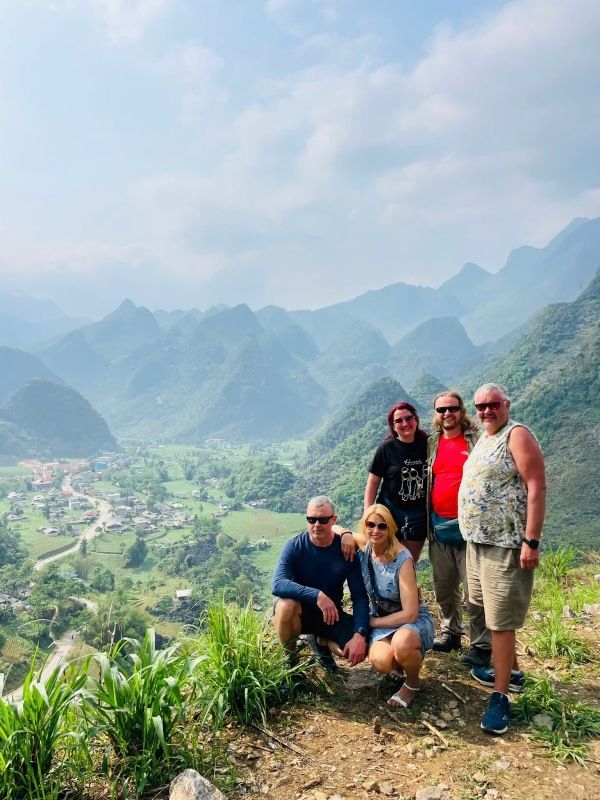
4. Tham Ma Slope (Doc Tham Ma)
This dramatic series of switchbacks on National Highway 4C between Ha Giang City and Meo Vac has become a beloved check-in landmark among riders. Local legend holds that couples who complete the full descent of Tham Ma together will enjoy lasting love, a story that has turned this challenging section of road into a romantic milestone for traveling pairs. The road snakes visually down the hillside in a way that creates spectacular aerial compositions when photographed from the ridgeline above.
5. Lung Tao Buckwheat Flower Hills
Covering approximately 5,000 hectares, Lung Tao holds the largest concentration of buckwheat flower cultivation in Ha Giang. From late October through November, the hillsides transform into sweeping waves of pink and violet blossoms that stretch as far as the eye can see. Unlike some flower fields that charge entry fees, the sheer scale of Lung Tao means that compelling compositions are available from multiple roadside vantage points without requiring paid access.
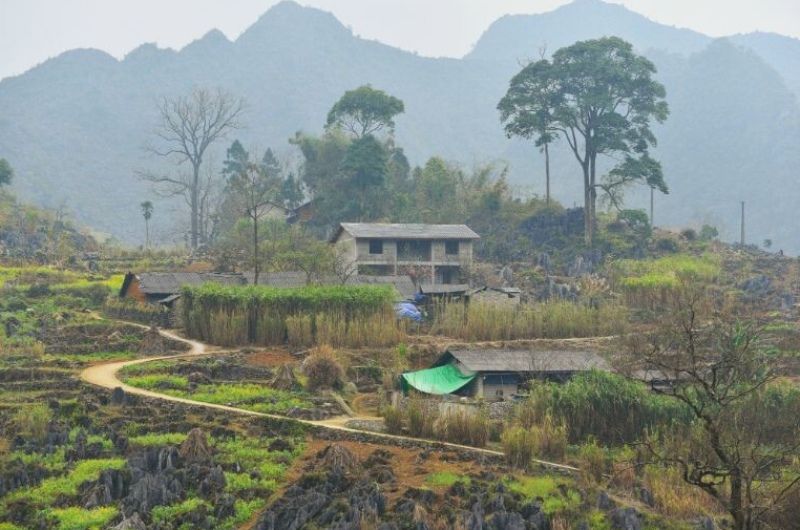
6. Ma Pi Leng Pass
Ma Pi Leng sits at 1,200 meters above sea level on the road connecting Dong Van to Meo Vac, and it is widely considered the most spectacular mountain pass in Vietnam. The road hugs the cliff face for 20 kilometers, dropping sharply on one side into the Tu San Canyon where the Nho Que River glows turquoise far below. The main viewpoint — positioned above the deepest section of the canyon — has been nicknamed “Trolltunga Vietnam” by foreign visitors for its structural resemblance to the famous Norwegian cliff. Morning light from the eastern side of the pass produces the most dramatic photography conditions, with the river reflecting a deep jade green against the grey limestone walls.
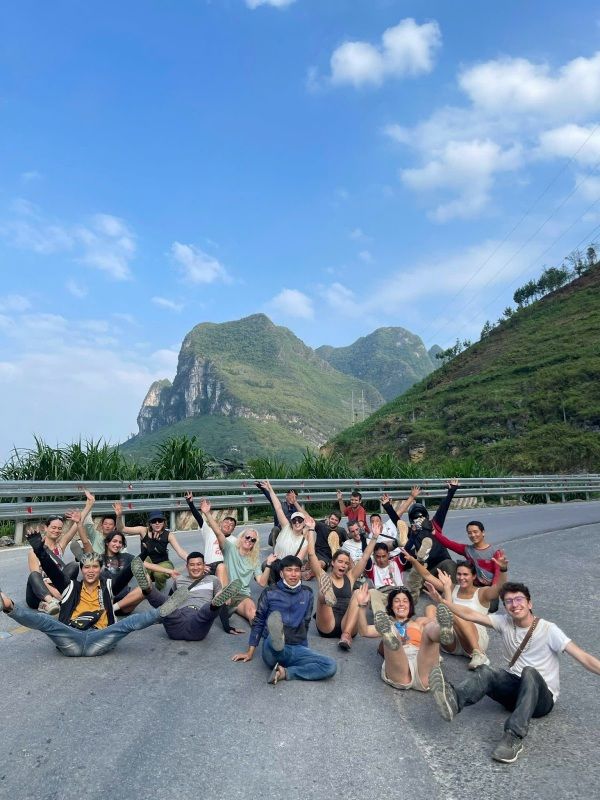
7. Tu San Canyon and Nho Que River
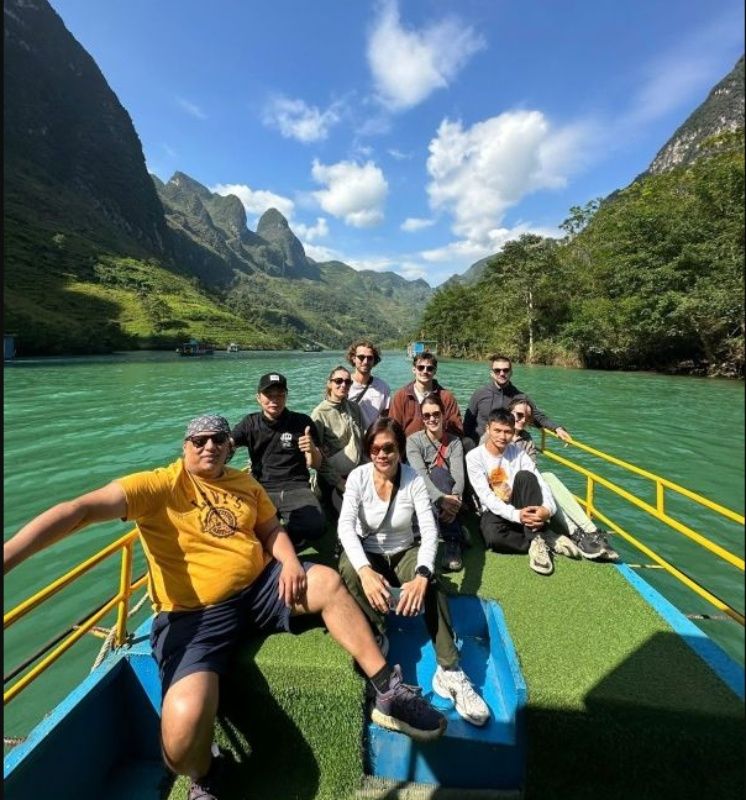
Directly below Ma Pi Leng, the Nho Que River carves through the deepest canyon in Southeast Asia at 800 meters below the road surface. Bamboo raft and kayak trips on the river are available from the Meo Vac end, allowing travelers to photograph the canyon walls rising vertically on both sides while floating on the intensely colored water. The turquoise hue of the river — caused by mineral deposits from the limestone formations above is most vivid between April and September when water levels are optimal.
8. Dong Van Ancient Town
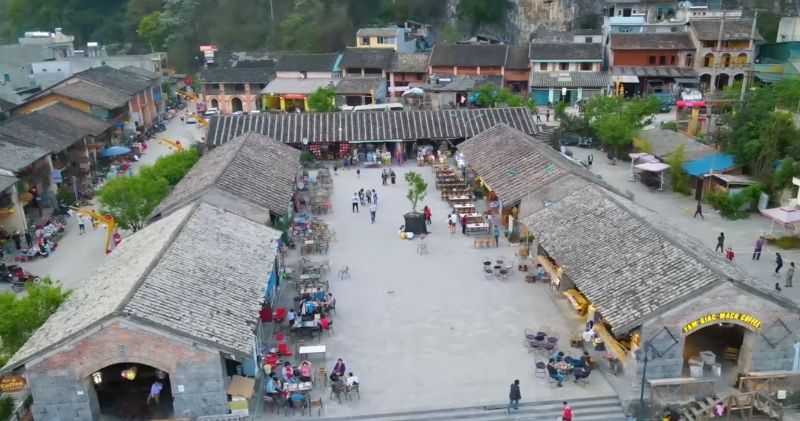
The 40 preserved stone-and-timber buildings of Dong Van Ancient Town have stood for over a century in the heart of the karst plateau, creating a visual time capsule that feels entirely disconnected from the modern world. The town is most atmospherically photographed during weekend market days, when H’Mong, Tay, Dao, and Nung villagers arrive in traditional dress to trade goods and socialize. The rooftop perspectives available from the surrounding hillside give a sweeping view of the tiled rooflines against the backdrop of grey limestone peaks.
9. Dong Van Karst Plateau (UNESCO Geopark)
Spanning four districts — Quan Ba, Yen Minh, Dong Van, and Meo Vac — the Dong Van Karst Plateau was recognized as a UNESCO Global Geopark in 2010, one of only a handful in Southeast Asia. The geological significance of the plateau lies in its exposed rock layers that contain fossil records dating back nearly 600 million years, representing some of the oldest exposed surfaces on the Indochina landmass. Photographically, the plateau’s characteristic grey stone fences, stone-walled houses, and stone-paved pathways create a monochromatic visual landscape unlike anything else in Vietnam.
10. Vuong Family Mansion (Dinh Thu Ho Vuong)
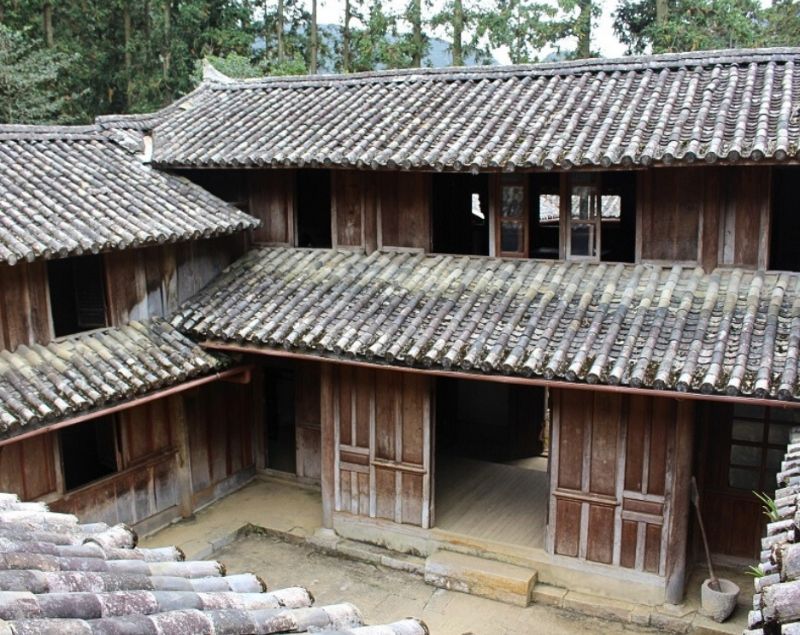
Built between 1919 and 1928 on a hillside in Sa Phin Valley, the Vuong Family Mansion covers 3,200 square meters and was constructed under the direction of Chinese craftsmen brought specifically from Yunnan Province. The architecture reflects a deliberate fusion of three distinct cultural traditions: the layered tile roofs and enclosed courtyard structure of Chinese Han design, the decorative motifs of the H’Mong ethnic tradition, and the symmetrical facades and window proportions of French colonial architecture. The mansion was declared a National Heritage Site in 1993 and opened to public visitors after the Vuong family donated the property to the state in 2004.
11. Lung Cu Flag Tower
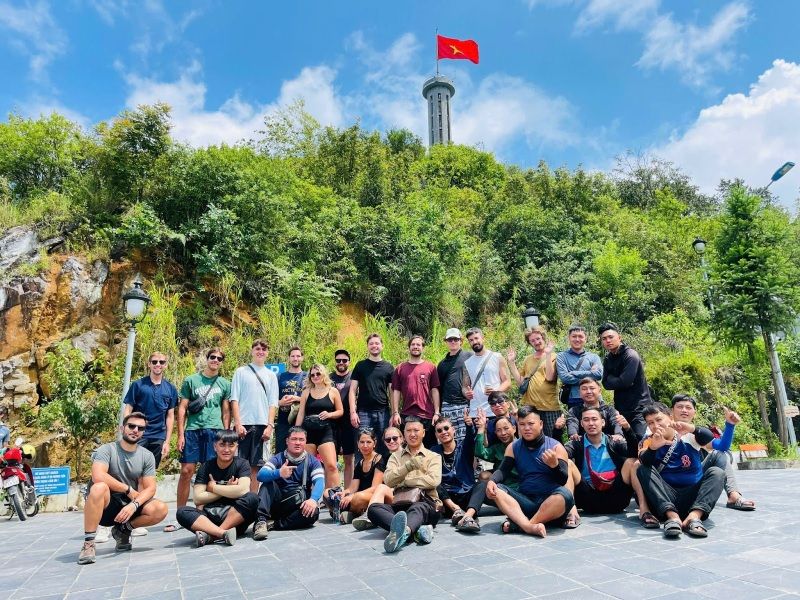
Perched atop Dragon Mountain (Nui Rong) at 1,470 meters above sea level, the Lung Cu Flag Tower stands at Vietnam’s northernmost point, a symbolic and emotional destination for Vietnamese travelers and an awe-inspiring geographic landmark for international visitors. The flagpole carries a 54-square-meter national flag, its dimensions intentionally representing all 54 ethnic groups of Vietnam. Climbing the 389 steps to the tower base rewards visitors with a 360-degree panoramic view across the border valley into China’s Yunnan Province on one side and back across the karst formations of Dong Van District on the other.
12. Meo Vac Sinkhole (Ho Sut / Gieng Troi)
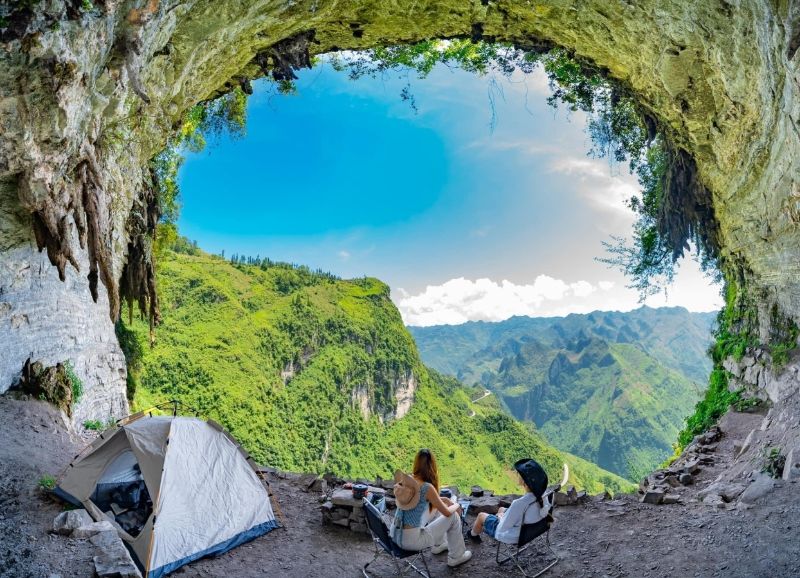
Located approximately 3 kilometers from Meo Vac Town, this natural sinkhole drops nearly 40 meters into the hillside, its interior supporting a unique microclimate that sustains dense tropical fern growth and rare plant species not found on the surrounding plateau. Reaching the bottom requires rappelling down a fixed rope system used by local residents — an experience that adds a genuine adventure element to what would otherwise be a passive photography stop. From the floor of the sinkhole, the circular opening overhead frames the sky in a way that creates a natural fisheye composition impossible to replicate from any other setting in Ha Giang.
13. Suoi Thau Grassland
Situated at 1,200 meters elevation near Coc Pai Town in Xin Man District, Suoi Thau Grassland covers several hundred hectares of open meadow enclosed by the Song Chay River and forested mountain ridges. The landscape bears a striking visual resemblance to alpine meadows in Switzerland, with wooden H’Mong farmhouses, fruit orchards, and rice paddies distributed across the valley floor in a pattern that appears almost landscaped in its regularity. The grassland is also an active paragliding launch point, making it one of the few locations in Ha Giang where aerial photography of the plateau is accessible to non-pilots.
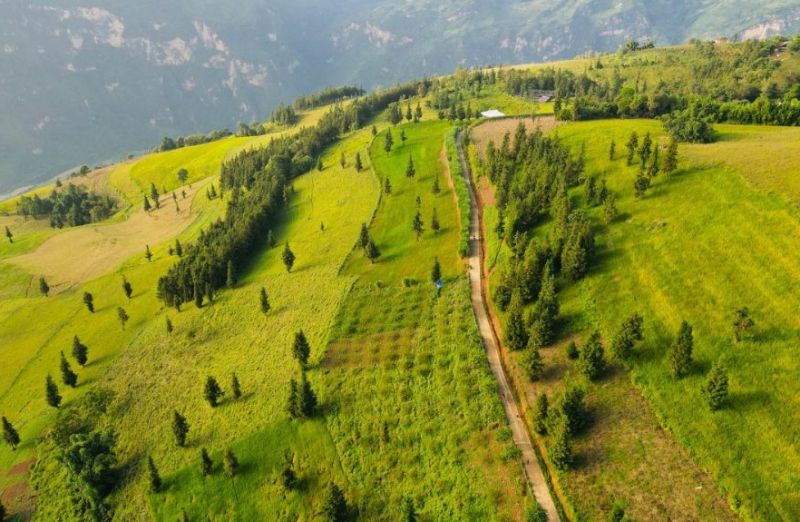
14. Ban Phung Terraced Fields — Hoang Su Phi
The terraced fields of Hoang Su Phi District are widely considered the most visually commanding rice terraces in northern Vietnam, distinguished from the better-known terraces of Sapa and Mu Cang Chai by their steeper gradient, greater elevation range, and the presence of traditional La Chi and Dao stilt houses interspersed throughout the field layers. Ban Phung Village specifically offers a sweeping viewpoint where the terraces descend from cloud-level peaks to the valley floor in an unbroken cascade of horizontal lines. Peak golden harvest season runs from late September through mid-October.
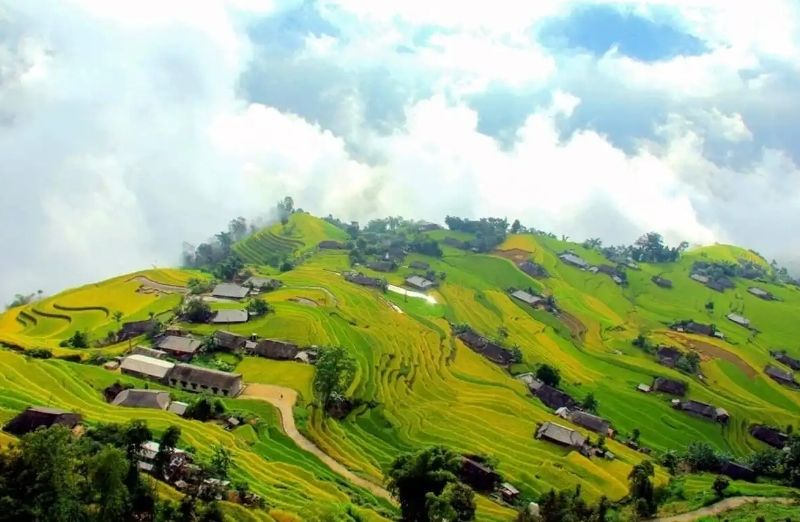
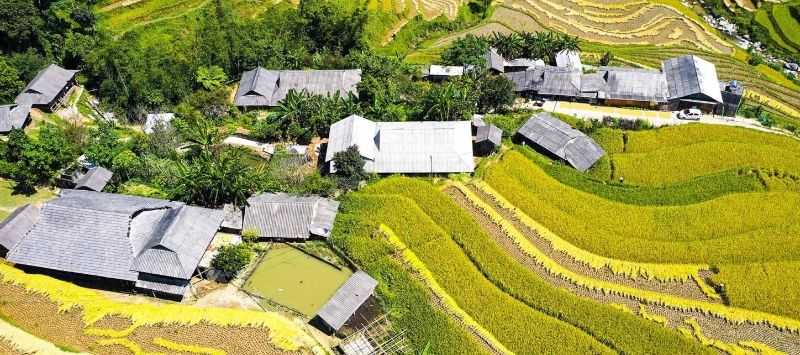
15. Ban Luoc Village — Hoang Su Phi
Adjacent to Ban Phung but offering a quieter, more intimate perspective on the terraced landscape, Ban Luoc Village is favored by photographers who prefer the combination of terraced fields and authentic village life in a single frame. The village sits at a slightly lower elevation than Ban Phung, giving it a more enclosed valley atmosphere with surrounding ridgelines visible on three sides.
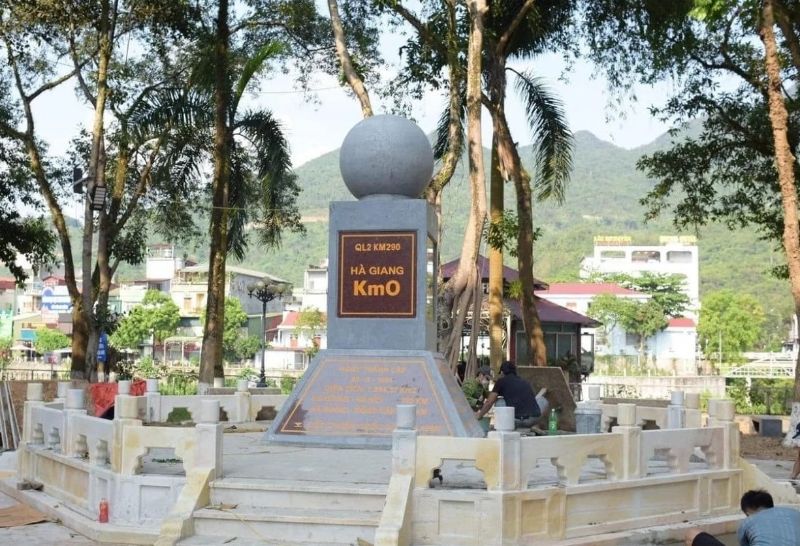
16. Kilometer Zero Marker — Ha Giang City
Located in the center of Ha Giang City along the Lo River embankment opposite the main public square, the Kilometer Zero Marker designates the official starting point of National Highway 2 — the road that connects Ha Giang to Hanoi. For the Ha Giang loop riding community, checking in at the Kilometer Zero stone has become a near-mandatory ritual that symbolizes the official beginning of the journey north. The marker has been rebuilt in granite and repositioned in the city center, creating a cleaner photographic backdrop than the original roadside installation.
17. Pao’s House — Sung La Valley
Made famous as the filming location for the 2005 Vietnamese film “Chuyen Cua Pao,” this traditional H’Mong home in Sung La Valley has become one of the most photographed residential structures in Ha Giang. The property features a classic stone fence entrance, timber-framed walls, and an yin-yang tile roof that has accumulated a visible patina of age and moss. The surrounding Sung La Valley — nicknamed “the place where flowers bloom from stone” — hosts seasonal fields of buckwheat, yellow mustard, and wild rose throughout the year.
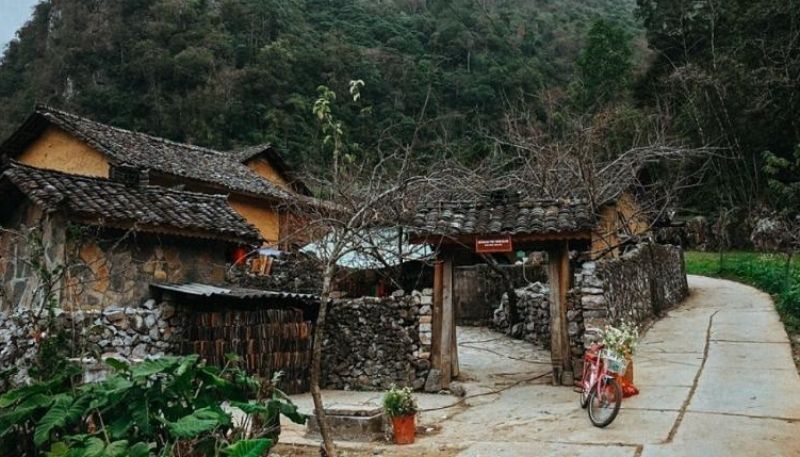
18. Tham Ma Ditch — Yen Minh District
A natural gorge cutting through the limestone formations between Yen Minh and Dong Van, Tham Ma Ditch offers close-proximity views of the karst rock faces that are usually only visible from a distance along the main highway. The gorge walls rise steeply on both sides of a narrow path, creating a corridor-like composition that contrasts dramatically with the open plateau vistas available from the passes above.
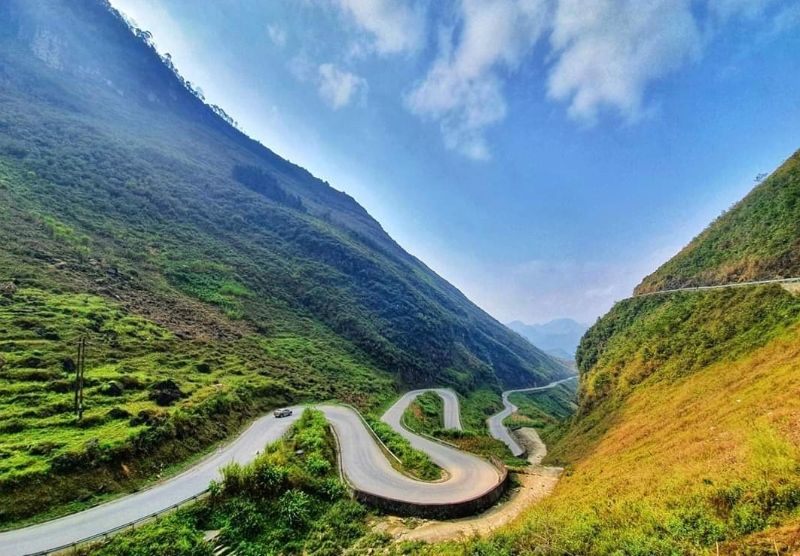
19. Ho Noong Lake
Located near Ha Giang City and relatively unknown compared to the loop’s major landmarks, Ho Noong is a natural lake surrounded by forested hills that reflects the sky with exceptional clarity on still mornings. The combination of water reflection, forest framing, and mountain backdrop makes it a productive early-morning photography destination for travelers staying in the city before beginning or after completing the main loop.
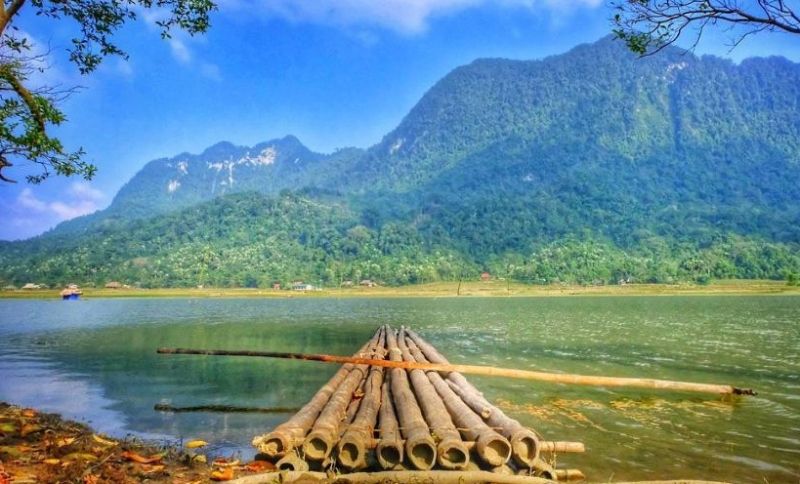
20. Lung Tao Sunset Viewpoint
While Lung Tao is most famous for its buckwheat flower fields, the ridgeline road running above the cultivation area offers one of the most consistently spectacular sunset viewpoints on the entire Ha Giang loop. From the elevated road, the layered silhouettes of karst peaks recede into the horizon in gradually fading shades of blue and grey — a composition that rewards travelers who time their evening ride to arrive at the ridge just before sundown.
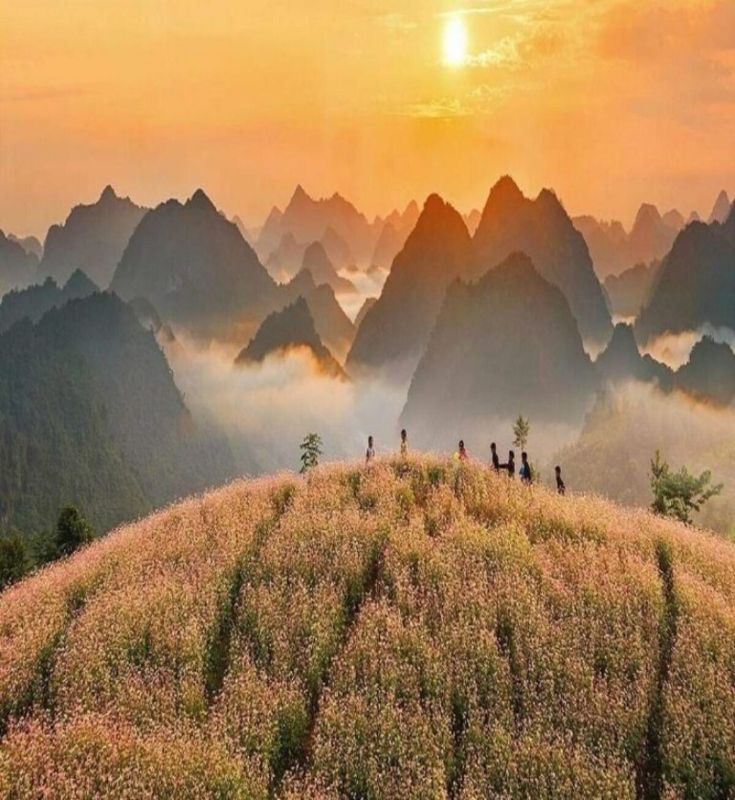
What Makes Ha Giang Check-In Spots Different From Other Highlands Destinations in Vietnam?
Ha Giang delivers something that Sapa, Mu Cang Chai, and Lai Chau Vietnam’s other celebrated highland destinations fundamentally cannot: the combination of geological heritage at planetary scale, ethnic cultural density, and geographic isolation that together create a landscape experience with no functional equivalent in Southeast Asia.
Specifically, the difference is not simply one of scenery quality but of category. While Sapa offers highly accessible terraced rice fields serviced by modern cable cars and luxury resorts, and Mu Cang Chai delivers arguably the most photogenic golden harvest terraces in the country within a compact geographic area, Ha Giang requires and rewards a fundamentally different kind of engagement — one built on physical commitment, road-tested endurance, and a willingness to travel through rather than simply arrive at a destination.