 Home
Home About
About Tours
Tours Bikes Rental
 Contact
Dong Van Karst Plateau is Vietnam’s only UNESCO-recognized Global Geopark, preserving over 550 million years of Earth’s geological evolution across 2,300 km² in Ha Giang Province, home to 17 ethnic minority communities. In December 2025, it was named “World’s Leading Cultural Destination” at the World Travel Awards the first Vietnamese destination to receive this title.
This guide covers top attractions, detailed itineraries, best travel times, transportation options, and accommodation to help you plan a confident, complete journey across the plateau.
About Dong Van Karst Plateau
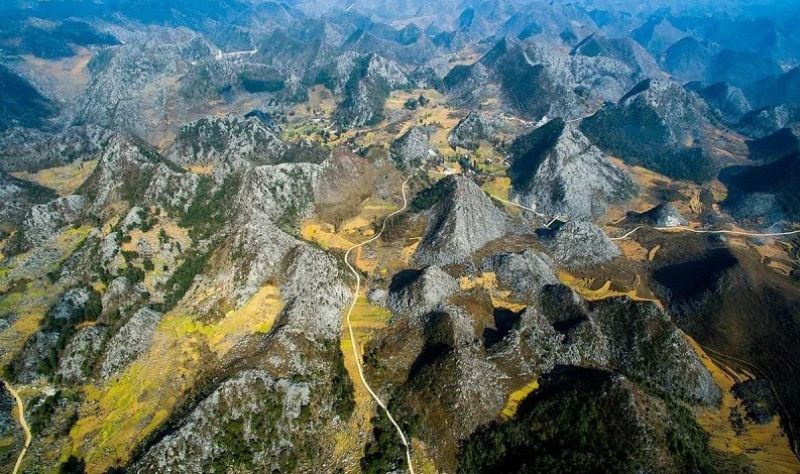
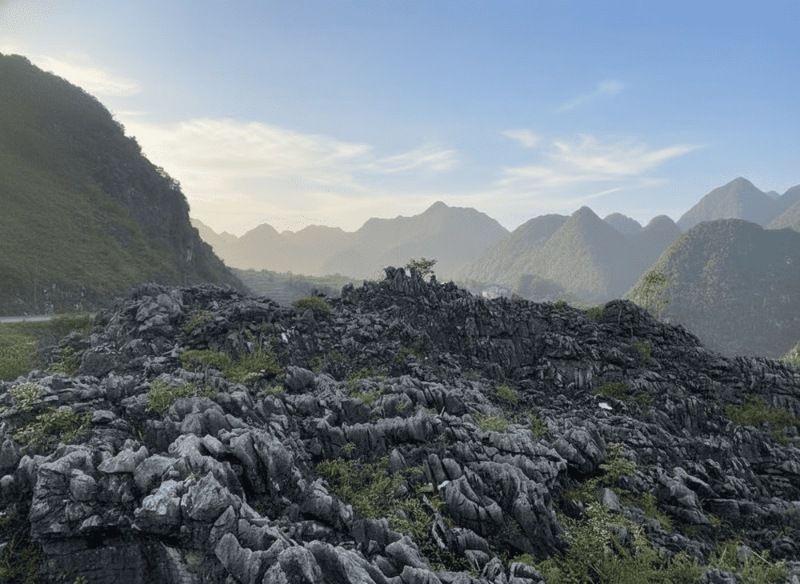
Dong Van Karst Plateau is a limestone karst plateau spanning over 2,300 km² in northern Vietnam’s Ha Giang Province. UNESCO designated it a Global Geopark in 2010, recognizing its geological record stretching back more than 550 million years. The landscape is defined by jagged grey limestone peaks — locally called “cat-ear rocks” — covering 60–80% of the total area, with an average elevation of 1,000 to 1,400 meters above sea level.
The “UNESCO Global Geopark” designation carries genuine scientific weight. To qualify, a site must hold internationally significant geological heritage combined with outstanding ecological, archaeological, and cultural values Dong Van Karst Plateau meets every criterion.
Why Did UNESCO Recognize Dong Van Karst Plateau?
Three core reasons explain UNESCO’s recognition:
1. Extraordinary geological value
The plateau records over 550 million years of Earth’s geological evolution from the Cambrian period to the present across 13 distinct rock layers. It preserves evidence of two of the five largest mass extinction events in Earth’s history: the Frasnian–Famennian boundary (~360 million years ago) and the Permian–Triassic boundary (~250 million years ago). These stratigraphic records hold global scientific significance and attract international geologists for ongoing research.
2. Rich geological heritage
Surveys have identified approximately 200 geological heritage sites and over 150 caves across the plateau 74 of which have been mapped, totaling 39 km of documented cave passages. Fossils found here include Devonian fish, Devonian flora (first discovered in Vietnam in 1915), trilobites, brachiopods, corals, crinoids, and foraminifera, all reflecting an ancient ocean that once covered this region hundreds of millions of years ago.
3. Exceptional cultural diversity
More than 250,000 people from 17 ethnic groups including H’Mong, Lo Lo, Pu Peo, Nung, Dao, Tay, and Giay live on the plateau, preserving languages, traditional costumes, festivals, and crafts passed down through generations. This creates a living cultural museum inseparable from the geological landscape.
Top Attractions at Dong Van Karst Plateau
The plateau offers two main categories of attractions: dramatic natural landmarks and deep-rooted cultural and historical sites, distributed across four districts from south to north.
Natural Landscapes
1. Ma Pi Leng Pass
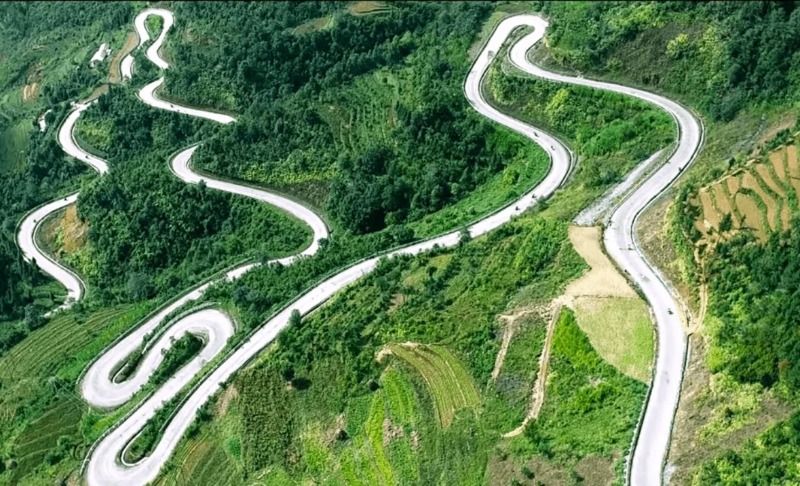
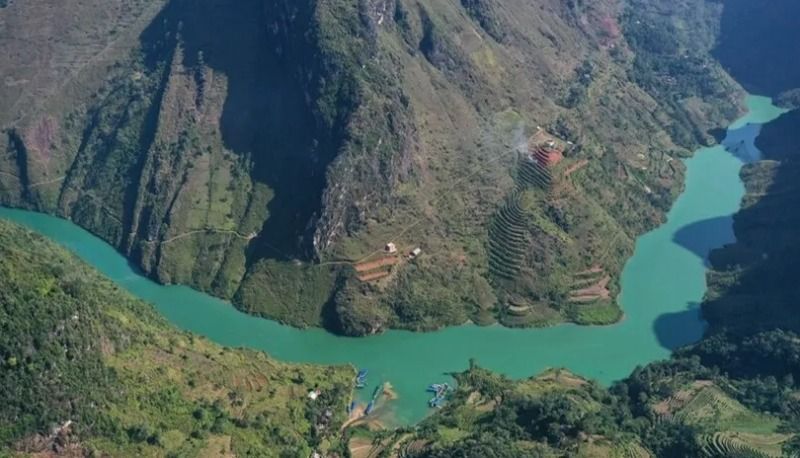
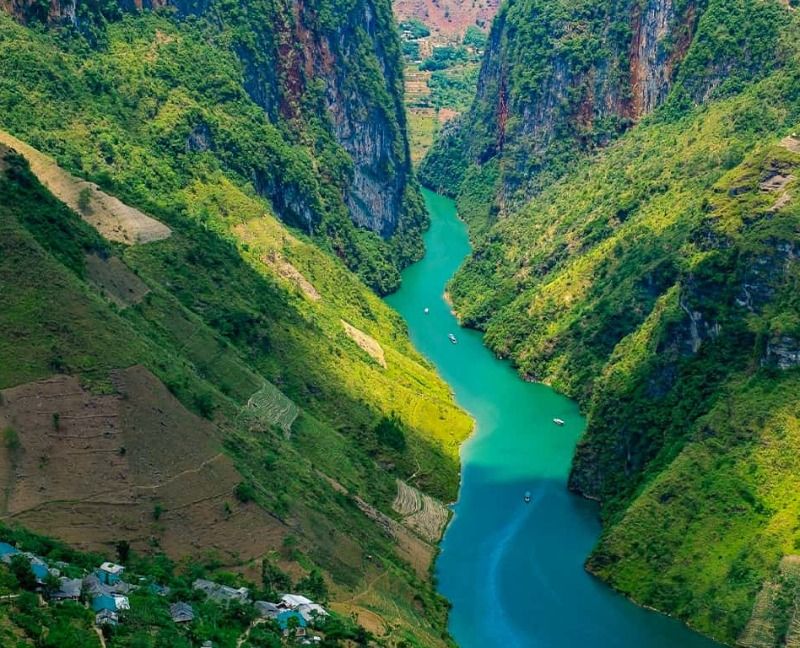
Ma Pi Leng is a 20-kilometer mountain pass crossing three communes Pa Vi and Pai Lung in Meo Vac District and Ta Lung in Dong Van District with summit elevations between 1,200 and 1,600 meters. It ranks among Vietnam’s “Four Great Passes” alongside O Quy Ho, Khau Pha, and Pha Din. From the summit, the turquoise Nho Que River winds through the vertical walls of Tu San Canyon far below a panorama that stops every traveler in their tracks.
2. Tu San Canyon
Dropping 700 to 800 meters below Ma Pi Leng Pass, Tu San is the deepest canyon in Southeast Asia. From above, the Nho Que River appears as a thin thread of blue stretched between sheer rock walls. Kayaking the river from below offers an entirely different perspective intimate, otherworldly, and breathtaking.
3. Quan Ba Heaven’s Gate
Heaven’s Gate marks the southern entry point to the plateau. Two perfectly rounded hills called the “Fairy Hills” by locals emerge from a sea of clouds, tied to a legend of a fairy who left her footprints before ascending to heaven. The valley below spreads into terraced rice fields and scattered villages, forming one of northern Vietnam’s most photographed landscapes.
4. Nho Que River
Beyond its famous view from Ma Pi Leng, the Nho Que is a kayaking destination in its own right. The jade-green river flows between towering karst walls, shifting shades of blue and green with each season depending on rainfall and light.
Cultural and Historical Sites
1. Lung Cu Flag Tower
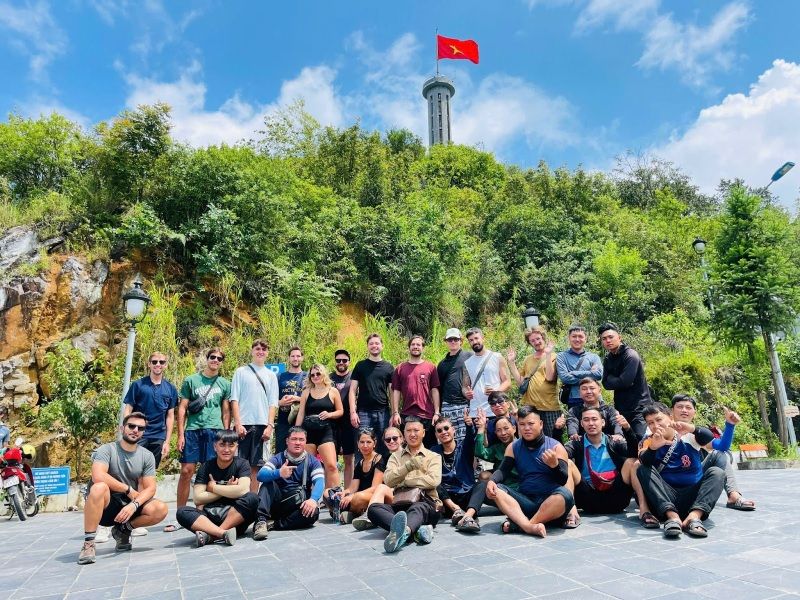
Lung Cu stands at Vietnam’s northernmost point, atop Dragon Mountain at nearly 1,700 meters, flying the national flag over the border region. Climbing 389 stone steps to the top, visitors gain sweeping views of Lung Cu Valley and surrounding H’Mong villages a deeply moving experience tied to national identity and sovereignty.
2. Dong Van Old Quarter
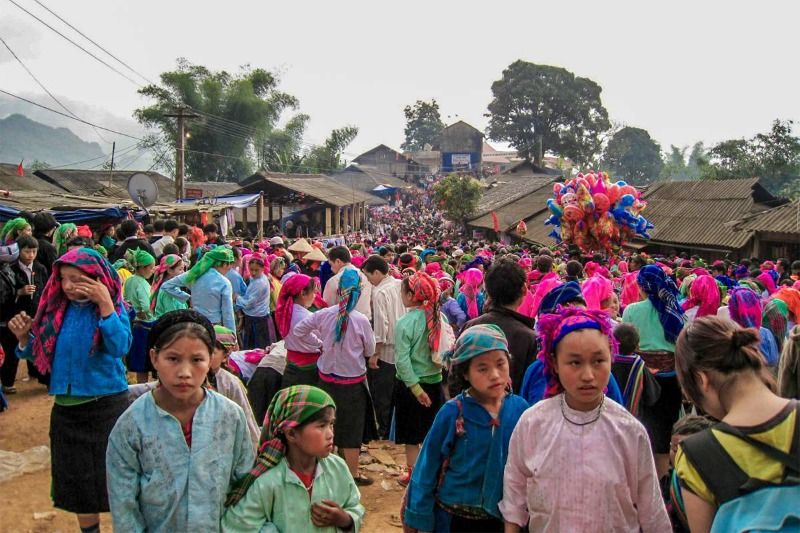
Built in the early 20th century, Dong Van’s old quarter blends H’Mong rammed-earth architecture with Chinese merchant-town influences. Yin-yang-tiled rooftops, thick earthen walls, and moss-covered courtyards create an atmosphere found nowhere else in Vietnam. Every Sunday, the weekly market transforms the quarter into a vivid gathering of ethnic minorities in traditional dress.
3. Vuong Palace (King of H’Mong’s Palace)
Constructed between 1919 and 1928 by Vuong Chi Sinh the most powerful leader of the Vuong clan on the plateau this 1,000 m² estate combines defensive architecture with Chinese artistic design. The Ministry of Culture has recognized it as a National Architectural and Artistic Monument.
4. Lung Cam H’Mong Cultural Village
Set in one of the few flat valleys among the stone peaks, Lung Cam preserves H’Mong village life in near-original form. It is the best place to observe traditional linen weaving, try on ethnic costumes, and listen to jaw harp music beside a hearth fire.
3-Day Itinerary for Dong Van Karst Plateau
This 3-night, 2-day itinerary suits travelers with limited time who want to cover the plateau’s highlights in a logical south-to-north route.
Day 1: Hanoi → Ha Giang → Quan Ba
- 06:00–07:00 — Depart Hanoi from My Dinh or Gia Lam bus station by sleeper bus to Ha Giang City. Journey time: 6–8 hours.
- 13:00–14:00 — Arrive Ha Giang City, have lunch, rent a motorbike if traveling independently.
- 15:00–18:00 — Ride to Quan Ba (~50 km, ~1.5 hours). Visit Heaven’s Gate, the Fairy Hills, and Tam Son Valley.
- Evening — Overnight in Quan Ba or Yen Minh.
Day 2: Yen Minh → Dong Van → Lung Cu
- 08:00 — Depart Yen Minh through Yen Minh Pine Forest.
- 10:00–11:30 — Visit Vuong Palace in Sa Phin (~1–1.5 hours).
- 12:00 — Lunch in Dong Van Town. Try local specialties: thang co, men men, and corn wine.
- 14:00–15:30 — Walk through Dong Van Old Quarter, stop for coffee with mountain views.
- 16:00–18:00 — Ride to Lung Cu Flag Tower (~25 km). Climb 389 steps to the summit.
- Evening — Overnight in Dong Van Town.
Day 3: Dong Van → Meo Vac → Ma Pi Leng Pass → Return to Hanoi
- 08:00 — Depart Dong Van for Meo Vac (~24 km).
- 09:00–11:00 — Stop at Ma Pi Leng Pass for sightseeing and photography — the most scenic stretch of the entire journey.
- 11:30–13:00 — Descend to Tu San Canyon, kayak on the Nho Que River (book at rental points in Meo Vac, ~150,000–200,000 VND/person).
- 14:00 — Lunch, then return to Hanoi via the same route or through Meo Vac–Bao Lac.
Best Time to Visit Dong Van Karst Plateau
October to December is the best time to visit, when buckwheat flowers blanket the hillsides in shades of pink and violet, widely regarded as the plateau’s most photogenic season. That said, each season offers something distinct.
1. March–May: Spring blossoms and clear skies
Peach, plum, and pear blossoms cover the rocky slopes, creating the most delicate scenery of the year. Dry roads make riding comfortable, and visitor numbers remain low compared to peak season.
2. June–September: Golden rice terraces and misty mornings
Rice terraces turn green from June and golden by August–September, producing landscapes rivaling Mu Cang Chai. Morning fog clings to the canyon walls and valleys. Note: this is the rainy season — mountain roads can be slippery and landslides are possible. Check weather forecasts carefully before departure.
3. October–December: Buckwheat flower season — the plateau at its finest
Millions of buckwheat flowers in pink and violet bloom across valleys, mountain passes, and stone-wall borders a sight found nowhere else in Vietnam. The annual Buckwheat Flower Festival takes place in November in Dong Van Town. This is also the busiest period — book accommodation and transport at least 2–3 weeks ahead.
4. January–February: Ethnic festivals and Lunar New Year
Cold but festive, this season brings the H’Mong Gau Tao Festival, the Khau Vai Love Market (27th day of the 3rd lunar month), and various New Year ceremonies. Temperatures drop below 5°C at night heavy warm clothing is essential.
Where to Stay and What to Eat at Dong Van Karst Plateau
Three accommodation types suit different budgets: local homestays, guesthouses, and small hotels, ranging from 100,000 to over 1,000,000 VND per night depending on type and season.
Accommodation
Local homestays are the most popular choice for travelers wanting genuine cultural immersion. Private rooms run 400,000–1,000,000 VND per night; dorm beds and shared stilt-house sleeping start at 100,000–250,000 VND per bed.
Well-regarded options include:
- HaGiang Hostel: 200,000–600,000 VND/person
- Hagiang Holic: 500,000–700,000 VND/person
- Plum Homestay: 900,000–1,300,000 VND/room
- Dong Van Cliffside House: 800,000–950,000 VND/night
- Nha Co 1925: 500,000–1,000,000 VND/room
- Lo Lo Ancient House (Lo Lo Chai Village): 800,000–1,000,000 VND/room
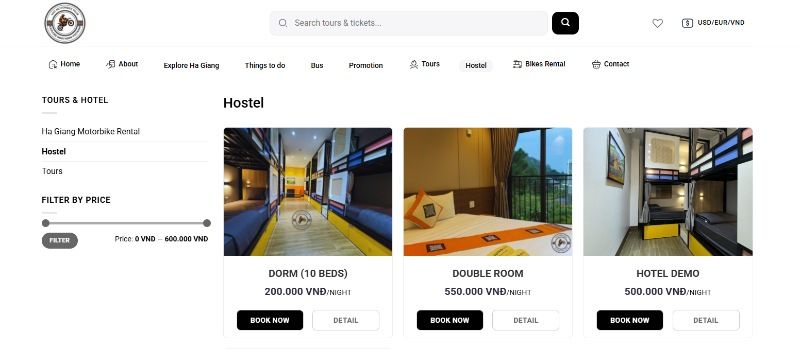
Most homestays serve meals at 180,000–200,000 VND per person.
Guesthouses and small hotels in Dong Van and Meo Vac towns range from 200,000 to 500,000 VND per night practical for travelers who need rest without the cultural experience.
Important: During buckwheat flower season (October–December), occupancy fills fast. Book at least 2–3 weeks in advance directly with the homestay or through a booking platform.
Local Specialties
- Thang co: The H’Mong’s most iconic dish, simmered from horse meat (or beef and pork), offal, and local spices following a family recipe. A bubbling pot of thang co at a highland market is as quintessential to Dong Van as any landscape.
- Men men: Steamed corn flour porridge, the staple food of highland H’Mong communities, typically served with sautéed greens or salted meat. Simple but deeply reflective of life on this unforgiving terrain.
- Dong Van corn wine: Distilled from mountain corn using traditional methods. High in alcohol content, it warms the body on cold plateau evenings. An authentic bottle costs 50,000–150,000 VND.
- Buckwheat cake: Ground from buckwheat flower, these cakes carry a rich, nutty flavor and a distinctive blue-purple hue. Available mainly during the October–December flowering season and among the most popular souvenirs to bring home.
- Smoked buffalo meat and black chicken: Found at every highland market stall, these carry the smoky, herb-laced flavors of the mountains — difficult to replicate anywhere else.
Dong Van Karst Plateau is not just a destination — it is a journey you will carry with you long after you leave, where every switchback reveals a new canvas, every market tells a cultural story, and every meal anchors a memory of the mountains.
If you need to book a hostel, homestay, guided tour, or self-drive motorbike rental in Ha Giang, contact Vietmotorbiketour — a trusted operator specializing in Dong Van Karst Plateau journeys, with local guides who know every pass and village, ensuring your trip is safe, seamless, and unforgettable.